Navigating the Aftermath of a Motorcycle Accident: Steps to Take for a Successful Claim in Florida
Motorcycle accidents can be devastating, often resulting in significant physical, emotional, and financial consequences. In Florida, a state renowned for its stunning coastal roads and vibrant motorcycle culture, these incidents are unfortunately commonplace. Understanding the steps to take following a motorcycle accident is crucial for ensuring your safety, protecting your rights, and securing a successful claim. This comprehensive guide will walk you through each vital step in the aftermath of a crash, providing you with the knowledge you need to navigate the complex legal landscape.
Immediate Actions Post-Accident
The moments following a motorcycle accident are critical. Your immediate priority should be to ensure your safety and seek medical attention if needed. Remember that even if you feel fine, some injuries may not be immediately apparent. Therefore, it is essential to get a medical evaluation as soon as possible.
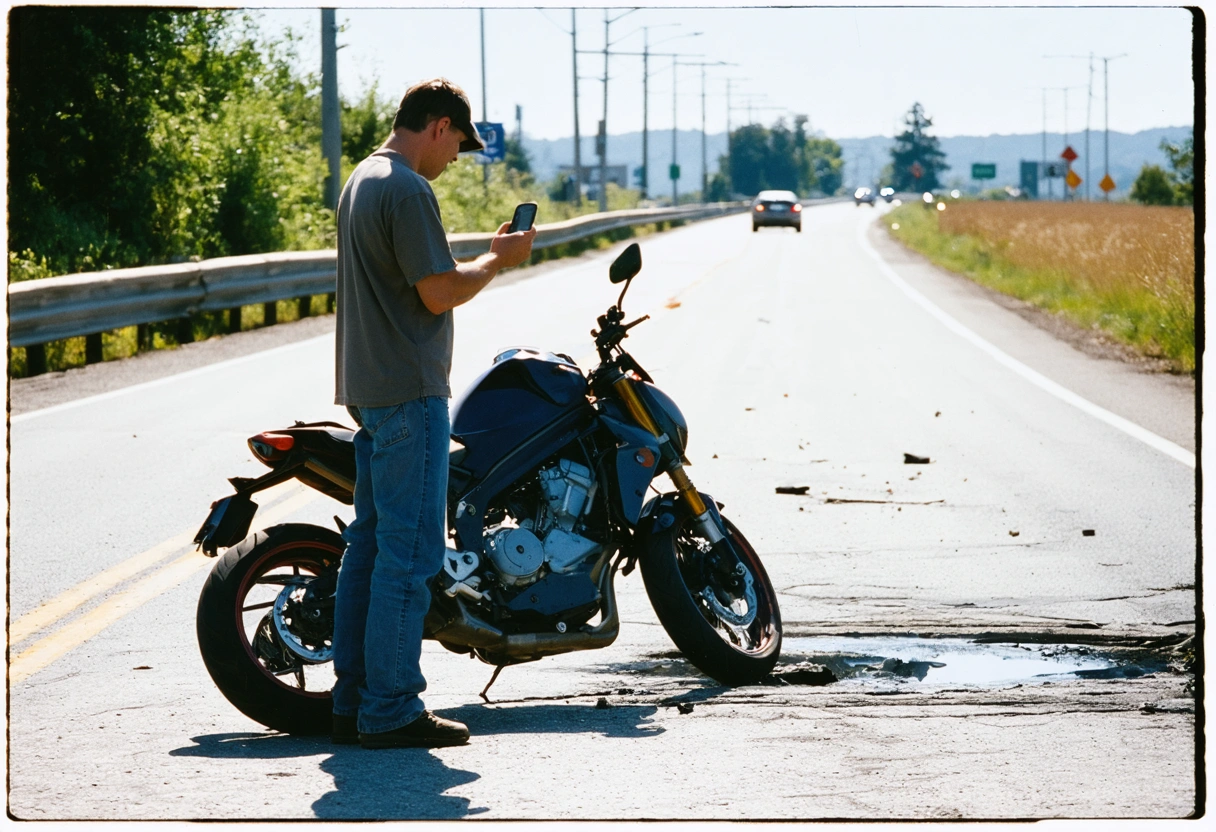
Once you have addressed any immediate health concerns, it is important to document the scene. Take photographs of the accident location, your motorcycle, and any other vehicles involved. Be sure to capture details such as skid marks, road conditions, and traffic signs. These details can be crucial when building your case. Additionally, gather contact information from witnesses and exchange insurance details with the other parties involved.
Understanding Florida’s No-Fault Insurance Laws
Florida operates under a no-fault insurance system, which can influence the claims process following a motorcycle accident. Under this system, each driver’s insurance covers their medical expenses and lost wages, regardless of who caused the accident. However, motorcycles are an exception to this rule, and motorcycle riders are not required to carry Personal Injury Protection (PIP) coverage.

Due to the lack of PIP coverage, motorcyclists involved in accidents must pursue compensation through other means. This often involves filing a claim against the at-fault driver’s insurance policy. Understanding this distinction is key to navigating the claims process effectively. For more in-depth information on Florida’s no-fault insurance laws, you can refer to Florida Highway Safety and Motor Vehicles.
Filing a Police Report
Filing a police report is an integral step in the aftermath of a motorcycle accident. In Florida, it is legally required to report any accident that results in injury, death, or property damage exceeding $500. A police report provides an official account of the accident, including the officer’s observations and any citations issued. This document serves as critical evidence in your claim.
When speaking to law enforcement, stick to the facts and avoid admitting fault or speculating about the cause of the accident. Allow the officer to conduct their investigation and provide your account of the events as accurately as possible. For more guidelines on handling police reports, visit Florida Traffic Crash Reports.
Collecting and Preserving Evidence
Evidence plays a pivotal role in building a successful claim. In addition to photos and contact information gathered at the scene, other forms of evidence can bolster your case. This includes medical records, repair estimates, and any correspondence with insurance companies. Keeping a detailed record of your injuries, treatments, and recovery process is also advisable.
Witness statements can be particularly persuasive. If possible, obtain written or recorded accounts from any individuals who observed the accident. Their unbiased perspectives can corroborate your version of events, strengthening your claim. For further advice on evidence collection, you can check out resources from the National Highway Traffic Safety Administration.
Consulting with a Personal Injury Attorney

Given the complexities of motorcycle accident claims in Florida, consulting with a seasoned personal injury attorney can be invaluable. An attorney can help you navigate the intricacies of the legal system, negotiate with insurance companies, and advocate for your rights. They can also assist in determining the full extent of your damages, including medical expenses, lost wages, and pain and suffering.
When selecting an attorney, choose someone with experience in motorcycle accident cases specifically. They will have a nuanced understanding of the unique challenges motorcyclists face and can tailor their approach accordingly. For tips on choosing the right attorney, you might want to read through the FindLaw’s guide on motorcycle accidents.
Negotiating with Insurance Companies
Insurance companies often aim to minimize payouts, which can make negotiating a fair settlement challenging. Having a clear understanding of your case’s value is essential when entering negotiations. Be prepared to present evidence that supports your claim’s worth, such as medical bills, repair costs, and documentation of lost income.
Your attorney can play a crucial role in this phase, leveraging their experience to counter lowball offers and push for a fair settlement. Remember that you are not obligated to accept the first offer, and if negotiations stall, your attorney can advise on whether pursuing litigation is a viable option. For a deeper dive into dealing with insurance companies, consider visiting Insurance Information Institute’s article on post-accident steps.
Filing a Lawsuit if Necessary
If negotiations fail to yield a satisfactory result, filing a lawsuit may be necessary. In Florida, the statute of limitations for personal injury claims is four years from the date of the accident. This timeframe underscores the importance of acting swiftly throughout the claims process.
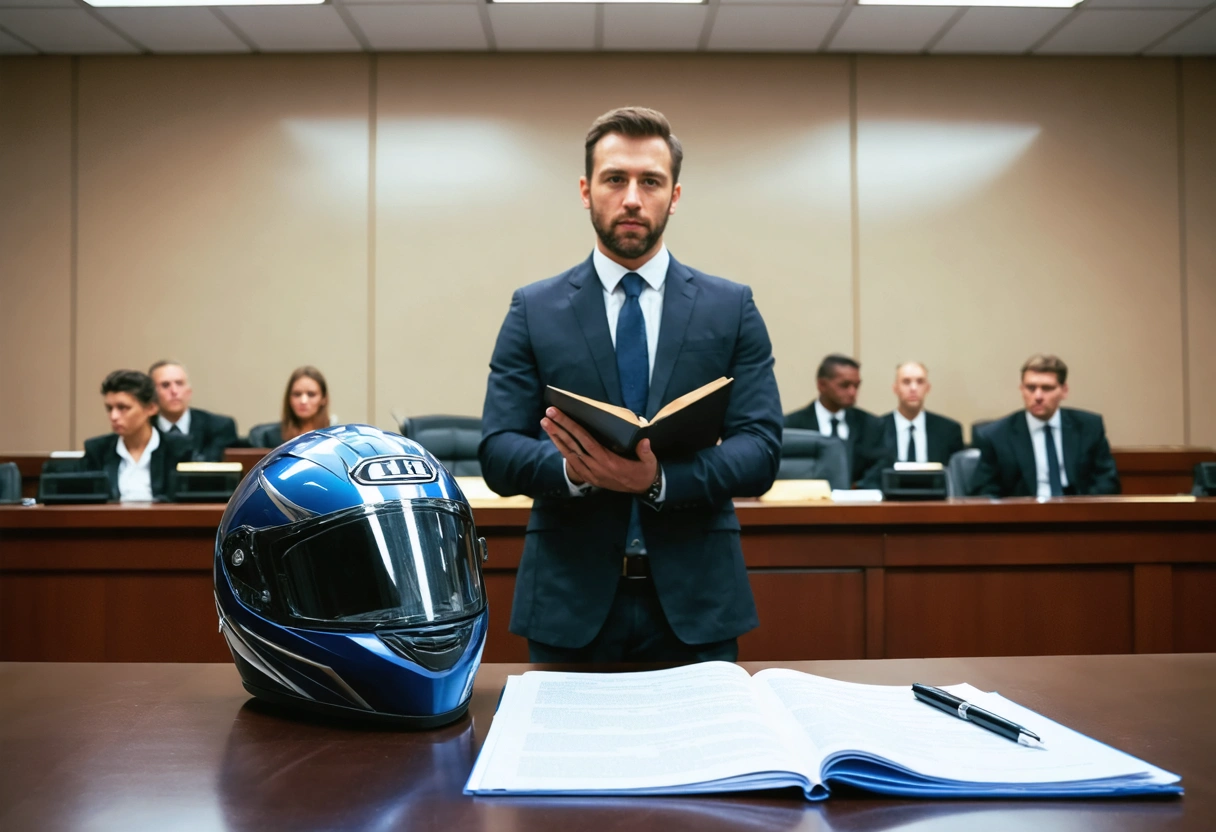
Litigation can be lengthy and complex, requiring a strategic approach to maximize the chances of a favorable outcome. Your attorney will guide you through each stage of the lawsuit, from filing the complaint to presenting your case in court. Understanding what to expect during litigation can alleviate some of the stress associated with this process. For more information on the litigation process, explore Cornell Law School’s overview of litigation.
Takeaways
Successfully navigating the aftermath of a motorcycle accident in Florida requires a comprehensive understanding of the legal landscape and a proactive approach to each step of the claims process. By prioritizing your health, collecting and preserving evidence, and seeking professional legal guidance, you can significantly enhance your chances of securing the compensation you deserve. While the journey may be challenging, staying informed and prepared will empower you to advocate for your rights and achieve a successful resolution to your claim.
Moreover, understanding the broader context of motorcycle accidents and the specific challenges riders face can help you better prepare for any potential future incidents. This knowledge not only aids in the immediate aftermath but also promotes safer riding practices, potentially reducing the likelihood of future accidents.
Understanding the Common Causes of Motorcycle Accidents
Motorcycle accidents can occur for a variety of reasons, and understanding these can help in both preventing future incidents and strengthening your legal claim. Some of the most common causes include driver negligence, road hazards, and mechanical failures.
Driver negligence is perhaps the most prevalent cause. This can include drivers failing to see motorcyclists due to blind spots, distracted driving, or ignoring traffic signals. To mitigate these risks, always practice defensive driving and remain vigilant of your surroundings. Awareness of common driver errors can also aid in establishing fault in your claim.

Road hazards such as potholes, debris, and uneven pavement pose significant risks to motorcyclists. While experienced riders often develop the skills to navigate these obstacles, unexpected hazards can still lead to accidents. If a road hazard contributed to your accident, it might be possible to hold a government entity responsible for failing to maintain safe road conditions.
Mechanical failures, while less common, can also lead to accidents. Regular maintenance and inspections are crucial to ensure your motorcycle is in good working order. If a mechanical defect caused your accident, a product liability claim against the manufacturer might be warranted. For more insights into the causes of motorcycle accidents, you can visit CDC’s motorcycle safety page.
The Role of Safety Gear in Accident Prevention and Claims
Wearing appropriate safety gear is essential for reducing the severity of injuries in the event of a motorcycle accident. In Florida, while helmets are not mandatory for riders over the age of 21 with sufficient insurance, they are strongly recommended for safety reasons. Helmets significantly reduce the risk of head injury, one of the most serious consequences of motorcycle crashes.
Other protective gear such as gloves, jackets, and boots can also minimize injuries. From a legal perspective, wearing safety gear can positively impact your claim. Demonstrating that you took all reasonable precautions to protect yourself can strengthen your argument against negligent parties. Additionally, it can counter potential arguments from insurance companies that you were partly at fault for your injuries.
Research indicates that motorcyclists who wear protective gear are less likely to suffer severe injuries and are more likely to survive accidents. For further guidance on appropriate safety gear, consider reviewing recommendations from the National Highway Traffic Safety Administration’s motorcycle safety guidelines.
Long-Term Implications of Motorcycle Accidents
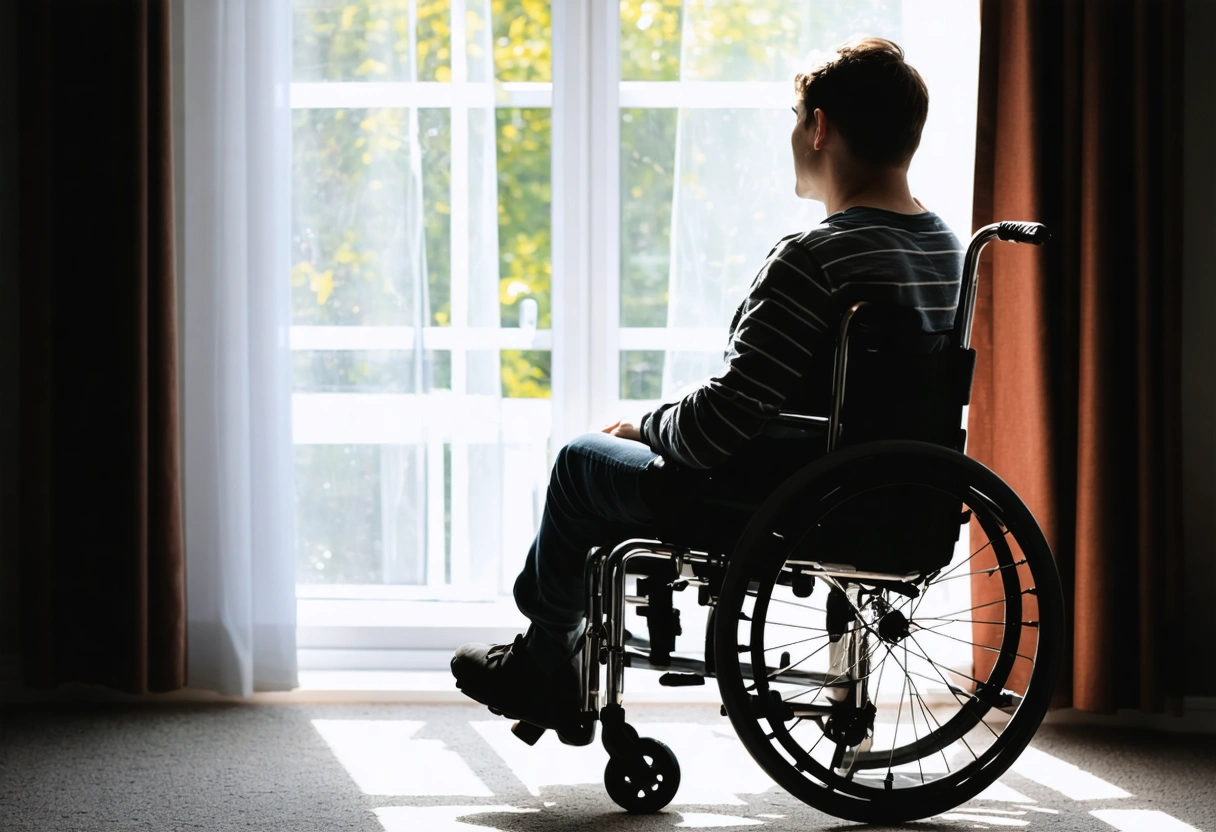
Beyond the immediate physical and financial repercussions, motorcycle accidents can have long-term implications for victims. Serious injuries can lead to prolonged rehabilitation, permanent disability, and a diminished quality of life. The psychological impact, too, can be profound, with many accident victims experiencing PTSD, anxiety, or depression.
When pursuing a claim, it is important to consider these long-term effects. Compensation should not only cover immediate medical expenses and lost wages but also account for future medical needs, ongoing rehabilitation, and non-economic damages such as pain and suffering. A comprehensive claim that addresses these factors can ensure you receive the support necessary to rebuild your life post-accident.
Understanding the potential long-term impacts underscores the importance of seeking adequate compensation and not settling prematurely. An experienced attorney can assist in evaluating the full scope of your damages and advocate for a settlement that reflects the true extent of your losses. For more on the long-term effects of motorcycle accidents, you may refer to resources like the Trauma.org’s motorcycle accident information.
Promoting Motorcycle Safety and Awareness
While legal knowledge and preparedness are crucial, promoting motorcycle safety and awareness remains key to reducing accidents. Community initiatives, safety campaigns, and educational programs can all contribute to a safer riding environment. Encouraging responsible riding behaviors and fostering mutual respect between motorcyclists and other road users helps create a culture of safety.
Florida offers numerous resources and programs aimed at enhancing motorcycle safety. Participating in advanced riding courses or joining local motorcycle clubs can provide valuable skills and insights. Engaging in these activities not only hones your riding abilities but also connects you with a community of like-minded individuals dedicated to promoting safety.
Ultimately, navigating the aftermath of a motorcycle accident in Florida involves a combination of immediate action, legal strategy, and ongoing safety efforts. By arming yourself with the right information and resources, you can effectively manage the challenges that arise post-accident and work towards a safer, more informed riding experience in the future.