
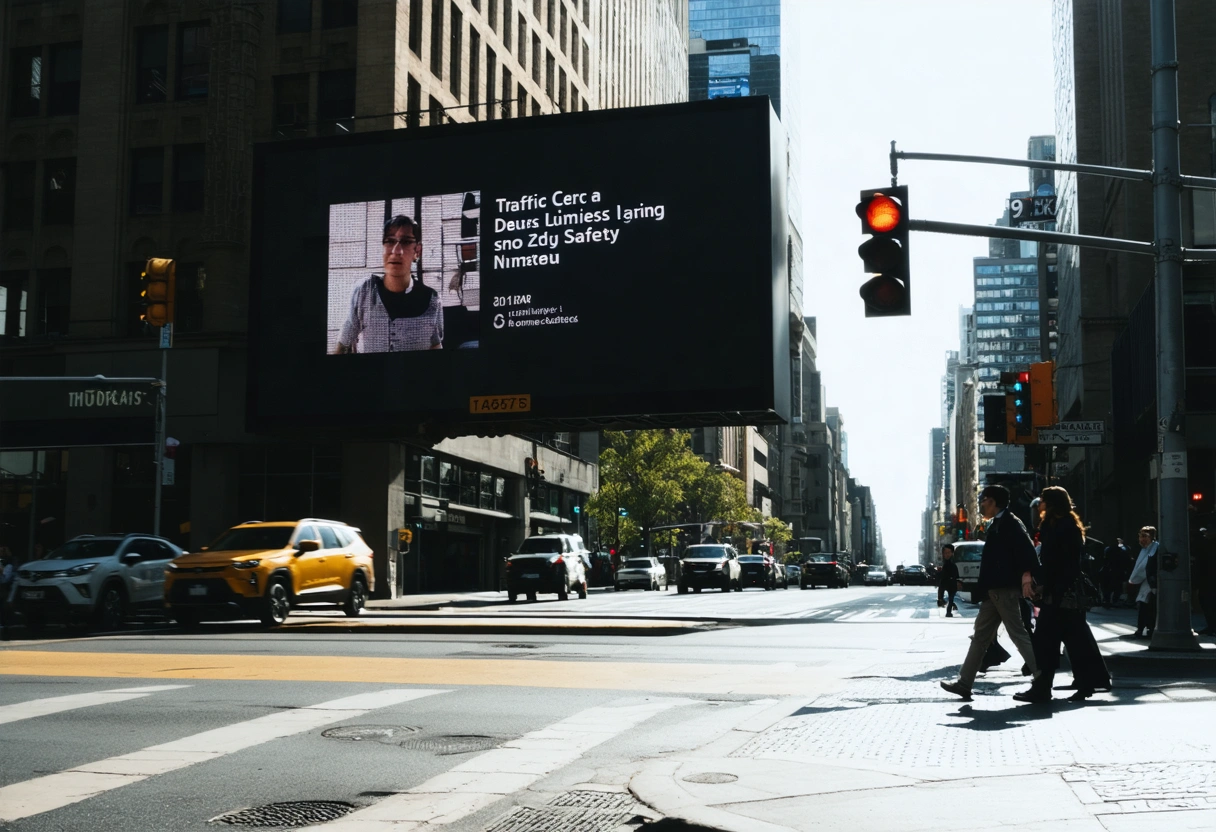
Introduction: Understanding the Surge in Pedestrian Accidents
In recent years, pedestrian accidents have become an alarming trend worldwide, capturing the attention of both policymakers and the public. This rise in incidents has prompted a need for comprehensive analysis and understanding of the underlying causes. Pedestrian accidents not only lead to injuries but often result in fatalities, significantly impacting communities and families.
With cities growing and the number of vehicles on the road increasing, the interaction between pedestrians and traffic has become more complex and hazardous. It’s crucial to delve into the statistics, explore the causes, and propose effective strategies to mitigate these incidents. By doing so, we can make strides towards safer urban environments and improved public health outcomes.
Examining the Statistics: A Closer Look at the Numbers
The statistics surrounding pedestrian accidents are both shocking and revealing. According to the National Highway Traffic Safety Administration, pedestrian fatalities have risen by over 50% in the last decade. This increase highlights a critical area of concern for traffic safety experts and urban planners alike.
Globally, pedestrian accidents account for a significant percentage of road traffic deaths. The World Health Organization reports that pedestrians constitute 23% of all road traffic fatalities. These figures underscore the urgent need for targeted interventions and policies that prioritize pedestrian safety.
It’s also important to note that certain demographics are more vulnerable. Children, the elderly, and individuals with disabilities are disproportionately affected by pedestrian accidents. This vulnerability demands that safety measures be inclusive and considerate of these groups’ specific needs.
Key Causes of Pedestrian Accidents
Distracted Driving and Walking
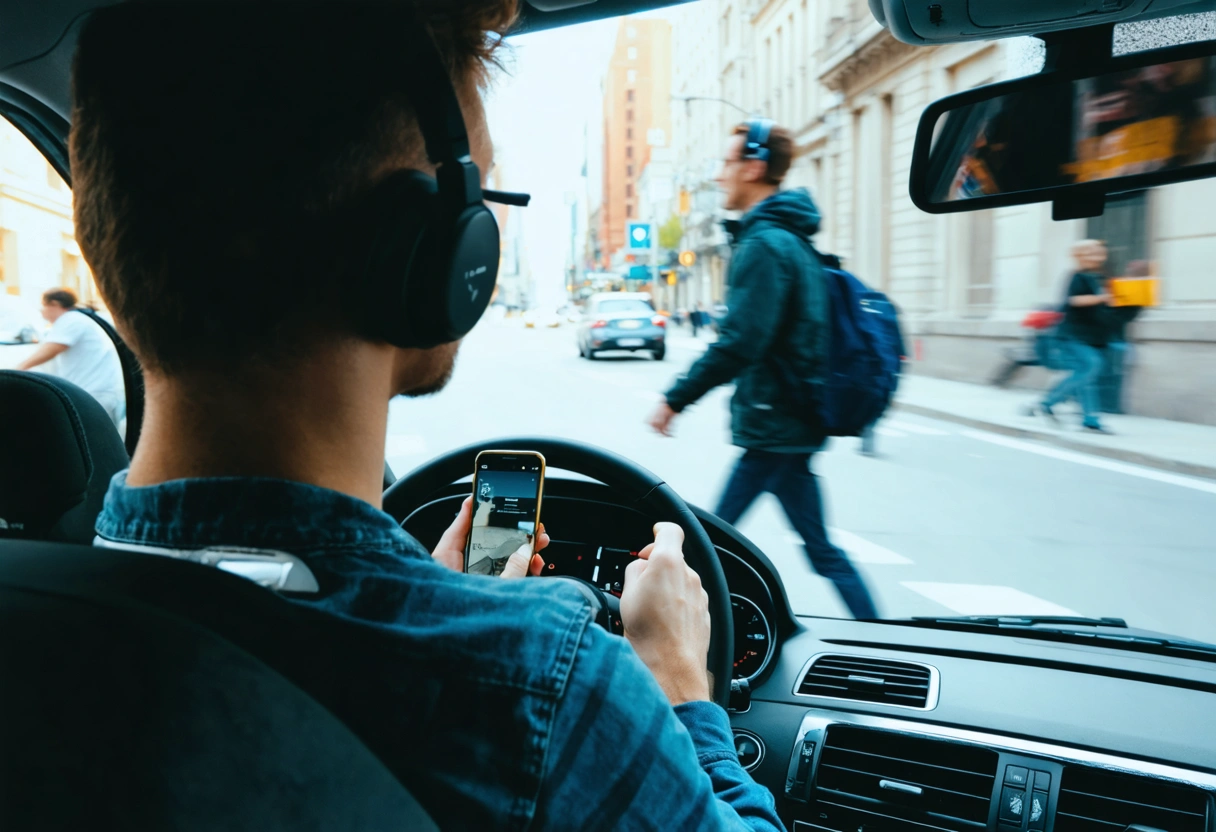
One of the primary causes of pedestrian accidents is distraction, affecting both drivers and pedestrians. The proliferation of smartphones and other digital devices has led to increased inattentiveness on the roads. Drivers using their phones while driving are less likely to notice pedestrians, while pedestrians engrossed in their devices may fail to observe oncoming traffic.
Efforts to curb distracted driving have been implemented in many regions, with varying degrees of success. Campaigns that emphasize the dangers of using devices while on the road, as well as local legislation banning handheld device use while driving, are critical steps in addressing this problem.
Speeding and Reckless Driving
Excessive speed is a well-documented factor in pedestrian accidents. Higher speeds not only increase the likelihood of accidents but also result in more severe injuries or fatalities. Areas with high pedestrian traffic, such as urban centers and school zones, are particularly dangerous when drivers exceed speed limits.
Reckless driving, including aggressive maneuvers and disregard for traffic signals, further exacerbates the risk to pedestrians. Implementing stricter speed limits and enhancing enforcement in high-risk areas can help reduce these dangers. Additionally, educational campaigns that highlight the consequences of speeding can influence driver behavior positively.
Poor Infrastructure and Urban Planning
The design and condition of urban infrastructure play a significant role in pedestrian safety. Insufficient crosswalks, poorly lit areas, and inadequate sidewalks can increase the likelihood of accidents. Cities with outdated infrastructure often fail to accommodate the needs of pedestrians, putting them at risk.
Investing in pedestrian-friendly urban planning is essential for reducing accidents. This includes creating safe crosswalks, implementing pedestrian-only zones, and improving street lighting. The Institute of Transportation Engineers provides guidelines on designing safer urban environments that prioritize pedestrian movement and safety.
Alcohol and Substance Impairment
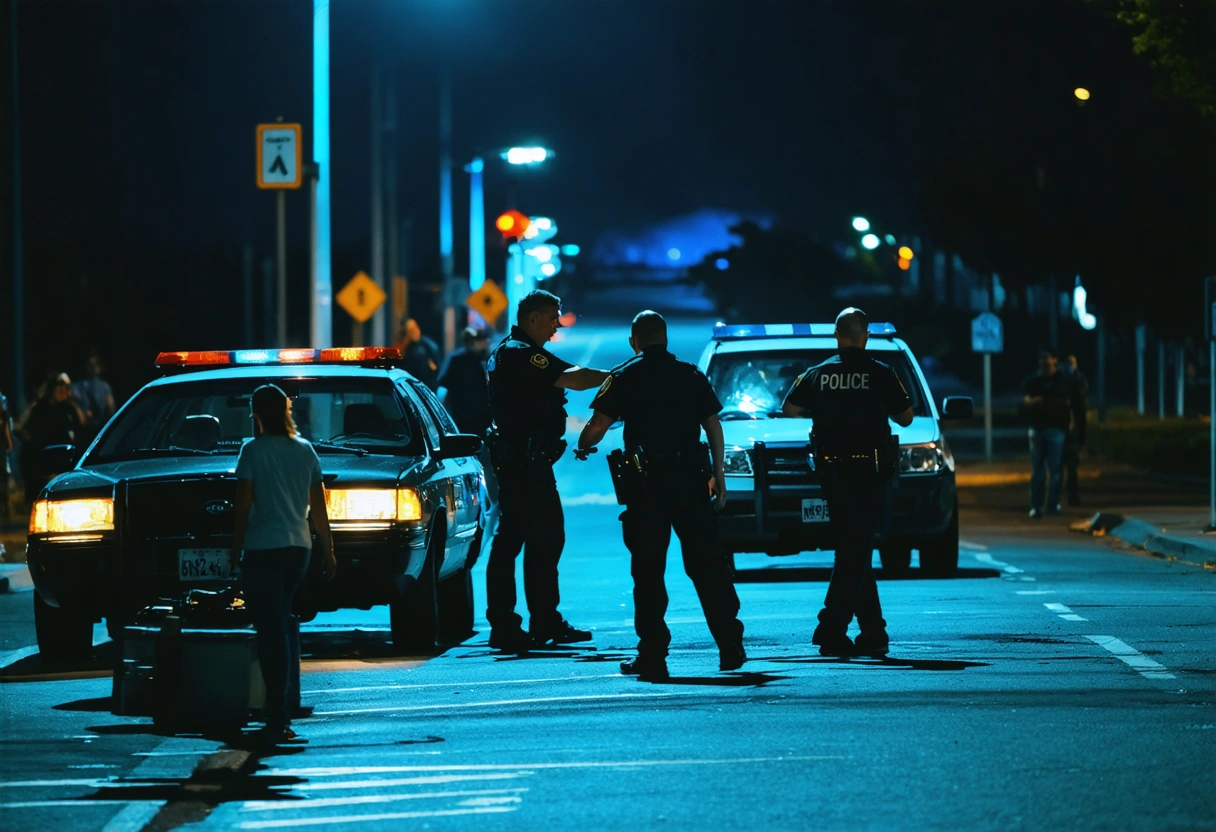
Impairment due to alcohol or drugs is another major contributor to pedestrian accidents. Both drivers and pedestrians under the influence are at elevated risk of being involved in accidents. Intoxicated drivers may exhibit poor judgment and slow reaction times, while impaired pedestrians may have difficulty assessing traffic conditions accurately.
To combat this issue, law enforcement agencies regularly conduct sobriety checkpoints and awareness campaigns. Additionally, public transportation options and ride-sharing services can offer safe alternatives to impaired individuals, reducing the likelihood of accidents.
Strategies for Reducing Pedestrian Accidents
Implementing Advanced Technologies
Technological advancements offer promising solutions for enhancing pedestrian safety. Automated braking systems, pedestrian detection technology, and vehicle-to-pedestrian communication are just a few innovations being integrated into modern vehicles. These technologies can detect potential collisions and alert drivers, significantly reducing the risk of accidents.
Moreover, smart city initiatives that incorporate sensor-based traffic management systems can monitor pedestrian movement and adjust traffic signals in real-time, optimizing safety and traffic flow. The Centers for Disease Control and Prevention highlights the potential of these technologies in improving pedestrian safety on a large scale.
Community Education and Awareness
Raising awareness about pedestrian safety is crucial for fostering a culture of caution among both drivers and pedestrians. Community programs that educate individuals about the dangers of distracted walking and driving can lead to more conscientious behavior on the roads. Schools, community centers, and local governments can collaborate to organize workshops and seminars that emphasize safe practices.
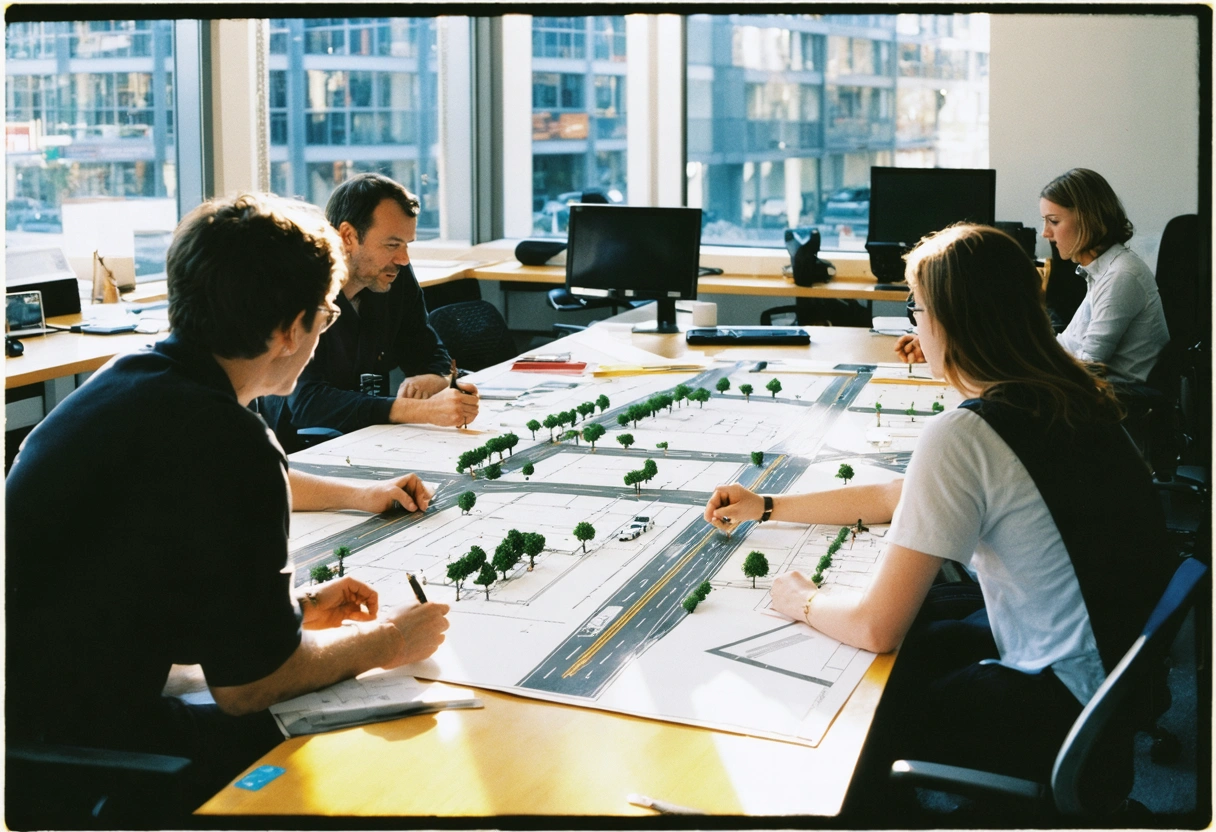
Additionally, public service announcements and social media campaigns can reach broader audiences, spreading critical safety messages effectively. By making pedestrian safety a community priority, we can collectively work towards reducing accidents and saving lives.
Policy and Legislation
Effective policy and legislation are fundamental to sustaining long-term improvements in pedestrian safety. Governments must adopt and enforce laws that protect pedestrians, such as stricter penalties for traffic violations and mandatory safety features in vehicles. Urban planning policies should prioritize pedestrian infrastructure, ensuring safe and accessible environments for all.
Collaboration between policymakers, urban planners, and transportation authorities is essential for developing comprehensive strategies that address both current challenges and future needs. The Federal Highway Administration provides valuable resources and research on effective policy measures that can be adapted to local contexts.
Paving the Way for Safer Streets
The rising trend of pedestrian accidents is a multifaceted issue that requires a coordinated and sustained effort from all stakeholders. By understanding the statistics and causes, and by implementing effective strategies, we can work towards reducing these incidents significantly. Pedestrian safety should be a shared responsibility, with individuals, communities, and governments playing an active role in fostering safer environments.
As we advance towards more connected and urbanized societies, prioritizing pedestrian safety will not only save lives but also enhance the quality of life for all. By investing in technology, education, and policy reform, we can pave the way for safer streets and a more secure future for pedestrians everywhere.
Innovative Urban Design: A Forward-Thinking Approach

To effectively reduce pedestrian accidents, cities must adopt forward-thinking urban design strategies that prioritize pedestrian safety from the outset. One such approach involves the creation of “complete streets,” which are designed to accommodate all users, including pedestrians, cyclists, and public transportation. These streets are characterized by wide sidewalks, protected bike lanes, and enhanced crosswalks, all of which contribute to a safer environment for pedestrians.
Moreover, integrating green spaces and pedestrian plazas into urban planning can encourage walking and reduce vehicle dependency. These areas not only enhance the aesthetic appeal of cities but also provide safe havens for pedestrians, away from busy traffic. The implementation of traffic calming measures, such as speed bumps and roundabouts, can further contribute to reducing vehicle speeds, making streets safer for everyone.
Data-Driven Solutions and Predictive Analytics
The use of data-driven solutions and predictive analytics is revolutionizing how cities address pedestrian safety. By analyzing historical accident data and traffic patterns, city planners can identify high-risk areas and implement targeted interventions. Predictive analytics can forecast potential accident hotspots, allowing for preemptive measures to be taken to prevent future incidents.
Additionally, the incorporation of real-time data through sensors and connected infrastructure can provide immediate insights into pedestrian and vehicle interactions. This data can inform dynamic traffic management systems that adapt to current conditions, optimizing safety and efficiency. Such innovations not only enhance pedestrian safety but also contribute to the overall effectiveness of urban transportation networks.
Engaging Stakeholders: Collaboration for Change
Achieving meaningful reductions in pedestrian accidents requires the active involvement of a diverse range of stakeholders. This includes local governments, transportation authorities, urban planners, community organizations, and the public. Collaborative efforts can lead to innovative solutions and shared ownership of pedestrian safety initiatives.
Public engagement is crucial in this process. Community input can provide valuable insights into local needs and challenges, ensuring that interventions are both relevant and effective. Moreover, involving residents in the planning and implementation of safety measures fosters a sense of community responsibility and commitment to maintaining safe environments.
Corporate Responsibility and Private Sector Involvement
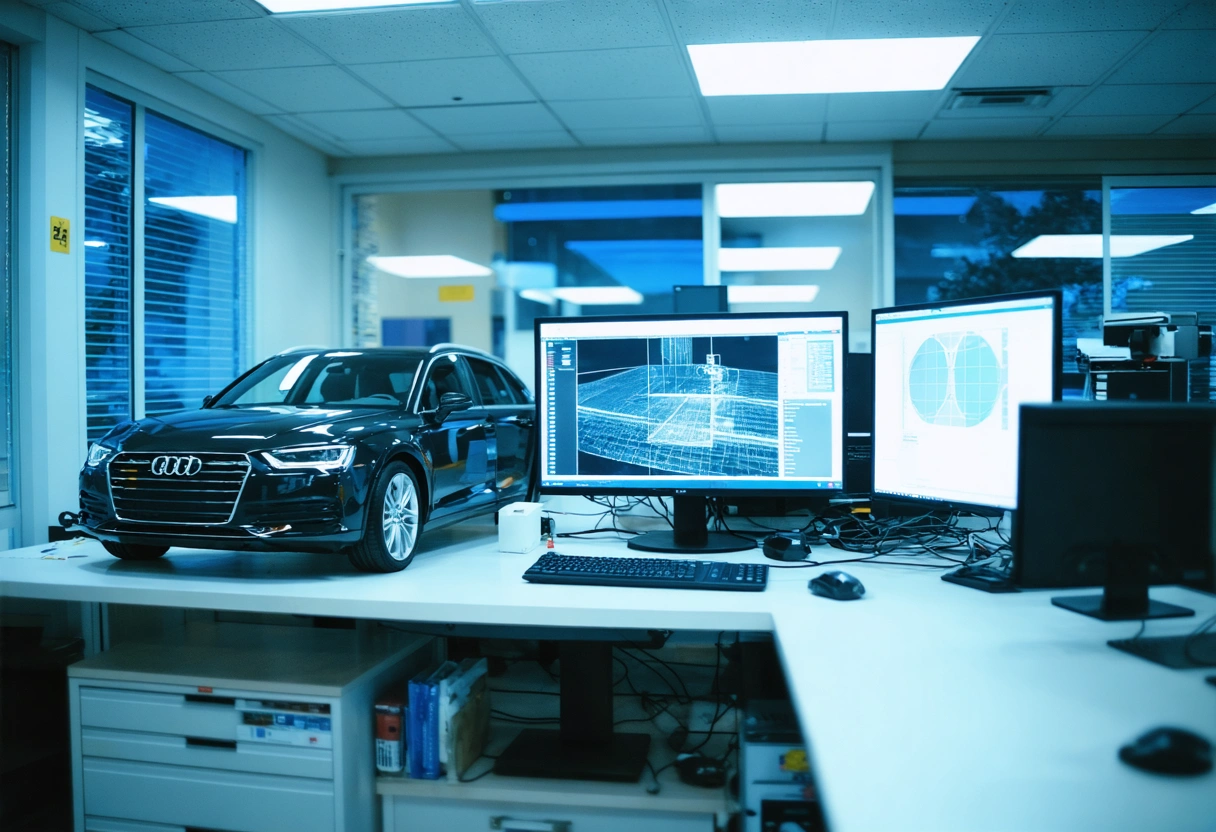
The private sector also has a role to play in enhancing pedestrian safety. Corporations, particularly those in the automotive and technology industries, can contribute through the development of advanced safety features and technologies. For example, companies can invest in research and development to create more effective pedestrian detection systems and vehicle automation technologies.
Moreover, businesses can support community safety initiatives through sponsorship and collaboration with local governments and non-profit organizations. By taking corporate responsibility seriously, companies can make significant contributions to reducing pedestrian accidents and promoting safer streets.
Educational Campaigns: Shaping Future Generations
Education plays a pivotal role in instilling safe habits and behaviors in both current and future generations. Schools can integrate pedestrian safety into their curricula, teaching children essential skills such as crossing streets safely and recognizing traffic signals. By instilling these habits early, we can create a culture of safety that persists throughout an individual’s life.
Additionally, leveraging digital platforms and social media can enhance the reach and impact of educational campaigns. Interactive content, such as videos and online games, can engage audiences of all ages, making learning about pedestrian safety both accessible and enjoyable. These efforts, when consistently applied, can lead to lasting behavioral changes that significantly reduce the risk of pedestrian accidents.
The Path Forward: A Vision of Safer Cities
As we look to the future, the vision of safer cities where pedestrians can move freely and without fear of accidents is within reach. Achieving this vision requires a comprehensive approach that integrates innovative technologies, inclusive urban planning, and collaborative efforts across all sectors of society. By prioritizing pedestrian safety, we not only protect vulnerable road users but also enhance the overall quality of life in our communities.
While challenges remain, the progress made thus far provides hope and motivation for continued efforts. By embracing change and fostering a culture of safety, we can pave the way for a future where pedestrian accidents are a rarity rather than a common occurrence. Through dedication, innovation, and collaboration, we can build cities that are truly designed with people in mind, ensuring a safer, more sustainable environment for all.