

Experiencing an auto accident can be a jarring and terrifying ordeal. In the aftermath, emotions often run high, and it can be challenging to think clearly about the next steps. However, knowing what to do immediately following an accident can significantly impact the safety and security of all involved, as well as the outcome of any legal processes that may follow.
It’s crucial to familiarize yourself with the necessary steps to take after an accident to ensure that you handle the situation efficiently and legally. This guide will walk you through the key actions you should take to protect yourself, your passengers, and your vehicle.
Ensure Safety and Call for Help
The first and foremost priority after any auto accident is to ensure the safety of everyone involved. Immediately check yourself and your passengers for any injuries. If anyone is hurt, call emergency services right away. Even if injuries seem minor, it’s always best to err on the side of caution and seek medical attention.
Once you have assessed injuries, if your vehicle is in a hazardous position, such as the middle of the road, and it’s safe to do so, try to move it to a safer location. Turn on your hazard lights to alert other drivers, and set up flares or reflective triangles if you have them. This will help prevent further accidents and ensure the safety of everyone on the scene.
Contact the Police
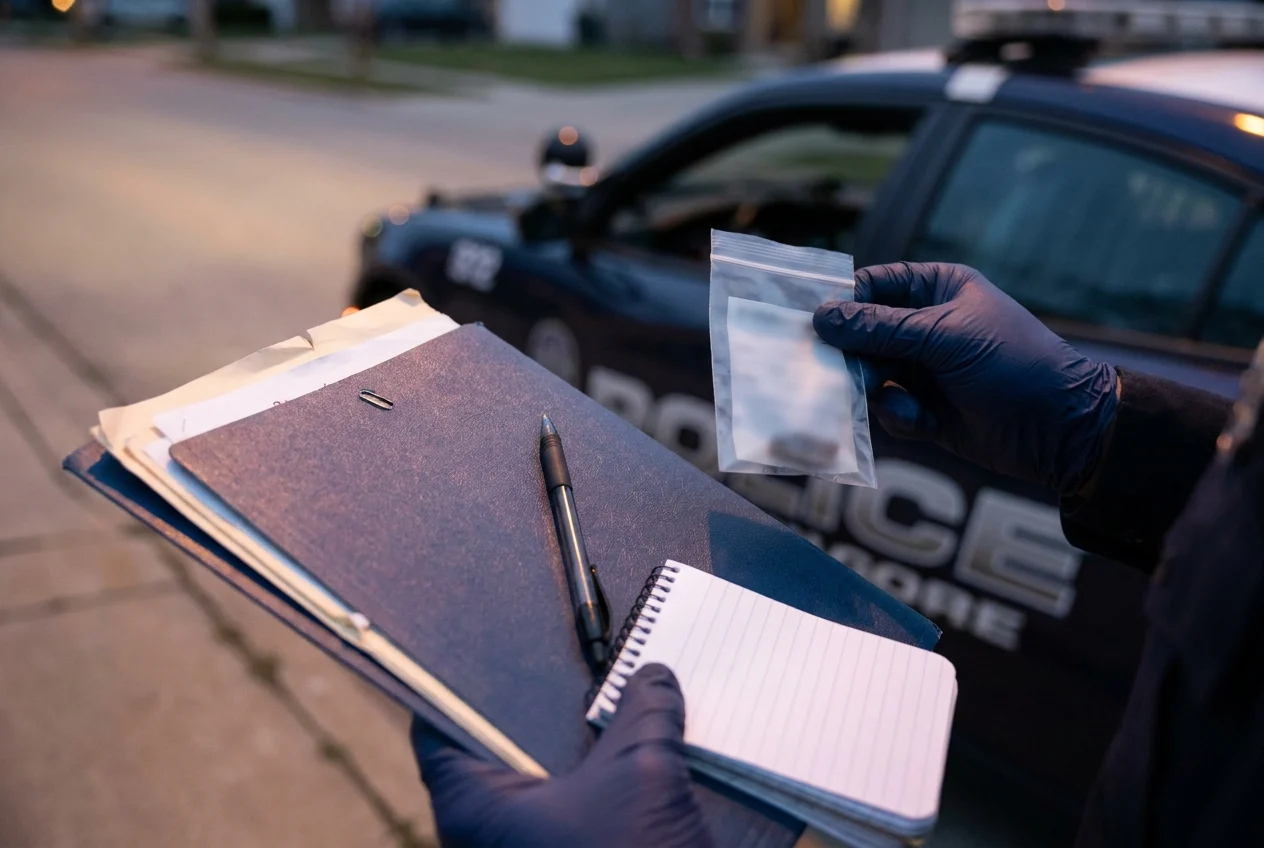
Regardless of the severity of the accident, contacting the police is a critical step. Having an official police report can be invaluable in resolving disputes with insurance companies and in any legal proceedings that may arise. Provide the officers with an accurate account of what happened, but avoid admitting fault or speculating on the causes of the accident.
Once the police arrive, cooperate with them and answer their questions to the best of your ability. Make sure to get the names and badge numbers of the responding officers, as well as a copy of the accident report or the report number for future reference.
Gather Information and Document the Scene
Collecting information at the scene of the accident is crucial for insurance claims and any legal matters that may arise. Start by exchanging contact and insurance information with the other driver(s) involved. Make sure to get their full name, phone number, insurance company, policy number, and vehicle details including make, model, and license plate number.
Take detailed notes about the accident, including the time, date, location, weather conditions, and any other relevant details that could help in the future. Use your smartphone to take photographs of the scene, capturing vehicle damage, road conditions, traffic signals, and skid marks. These images can serve as vital evidence later.
Speak to Witnesses
If there are any witnesses to the accident, try to get their contact information and ask for their account of what happened. Witnesses can provide an unbiased perspective that might be crucial in determining fault or clarifying the sequence of events. Their testimonies can become an important part of your case if disputes arise.
Notify Your Insurance Company
Once you are safe and have gathered all necessary information, the next step is to notify your insurance company about the accident. It’s best to do this as soon as possible, as most insurance policies require prompt reporting of accidents. When speaking with your insurance representative, stick to the facts and avoid providing opinions or admitting fault.
Your insurance company will guide you through the claims process and can advise you on the next steps, including getting your vehicle repaired and handling any medical claims. Remember to keep a record of all communication with your insurer for future reference.
Understand Your Coverage
Take the time to review your insurance policy to understand what is covered under your plan. Knowing the specifics of your coverage, such as liability limits, collision coverage, and medical payments, can help you manage your expectations and prepare for any out-of-pocket expenses you might incur.
Seek Medical Attention
Even if you feel fine after the accident, it’s wise to see a healthcare professional. Some injuries, like whiplash or concussions, may not be immediately apparent and can manifest days or even weeks later. A medical evaluation can document any injuries related to the accident, which can be essential for insurance claims and legal proceedings.

Keep records of all medical visits, prescriptions, and treatments related to the accident. This documentation will be important if you need to prove the extent of your injuries or seek compensation for medical expenses.
Consult a Legal Professional
In some cases, it may be beneficial to consult with an attorney, especially if there are disputes over fault, significant injuries, or substantial property damage. An experienced personal injury lawyer can provide guidance on your rights, help you understand the legal process, and represent you in negotiations or court if necessary.
When selecting a lawyer, look for someone with expertise in auto accidents and personal injury law. They can help assess the strength of your case, negotiate with insurance companies, and ensure you receive fair compensation.
Preserve Evidence
Preserving evidence is crucial for your legal case. Keep all documentation related to the accident, including police reports, medical records, insurance correspondence, and any other relevant materials. This information will be vital if your case goes to court or if there are disputes with insurance companies.
Takeaways
Handling the aftermath of an auto accident can be daunting, but knowing the right steps to take can make a significant difference in the outcome. By ensuring safety, gathering information, notifying your insurance, seeking medical attention, and consulting legal professionals, you can protect your interests and navigate the legal process effectively.
Remember, preparation is key. Familiarize yourself with these steps before an accident occurs, so you can act quickly and confidently if you find yourself in such a situation. By following this guide, you’ll be better equipped to manage the aftermath of an accident, ensuring a safe and secure legal process.
Being proactive and informed is essential when it comes to dealing with auto accidents. While the immediate steps are crucial, there are additional considerations that can further strengthen your position and aid in a comprehensive resolution. These additional measures can provide a more rounded approach to handling the aftermath of an accident.
Follow Up with Medical Treatments
Continuing medical care is an important aspect that should not be overlooked. Even after the initial medical evaluation, follow through with any recommended treatments or physical therapy. This not only aids in a full recovery but also creates a consistent medical record that can demonstrate the impact of the accident on your health.
If you experience any new symptoms or complications, report these to your healthcare provider immediately. Keeping a personal diary of your symptoms and how they affect your daily life can also be helpful. This documentation can be used to substantiate claims for pain and suffering or long-term impacts on your quality of life.
Maintain Open Communication
Stay in regular contact with your insurance company and any legal representatives involved in your case. Open communication ensures that you are updated on the progress of your claims and any legal actions. Respond to requests for information promptly and keep copies of all correspondence.
If at any point you are unclear about the process or your responsibilities, don’t hesitate to reach out to your lawyer or insurance representative for clarification. Being informed about your case status helps in making timely decisions and avoiding unnecessary delays.
Be Mindful of Social Media
In today’s digital age, it’s important to be cautious about what you share on social media platforms following an accident. Insurance companies and opposing legal teams may monitor your social media presence looking for evidence that contradicts your claims, such as posts showing physical activities you claim to be unable to perform due to injuries.

Consider setting your profiles to private and avoid posting any details about the accident, your injuries, or the legal proceedings. Discussing these matters publicly can inadvertently harm your case.
Understand the Statute of Limitations
Each state has its own statute of limitations, which is the time frame within which you must file a lawsuit if you choose to pursue legal action. Familiarize yourself with these timelines as they are crucial for preserving your right to seek compensation. Missing this deadline could result in losing the opportunity to make a claim entirely.
Your attorney will be instrumental in ensuring that you meet all necessary deadlines. However, it’s still beneficial to be aware of these timelines yourself to avoid any potential oversights.
Evaluate the Settlement Offer Carefully
If the insurance company presents a settlement offer, take the time to evaluate it thoroughly before accepting. While it may be tempting to settle quickly, especially if you need immediate funds, it’s important to ensure that the offer adequately covers all your expenses and losses.
Consult with your attorney to review the offer. They can provide insights into whether the settlement is fair and in line with similar cases. Sometimes, negotiating for a better offer is in your best interest, and having legal representation can strengthen your position in these discussions.
Consider Long-Term Implications
When assessing a settlement, consider the long-term implications of your injuries and damages. This includes ongoing medical treatments, potential loss of income, and any long-term impacts on your lifestyle. A comprehensive settlement should address not just immediate expenses but also future costs related to the accident.
Your lawyer can help you calculate these long-term expenses and present a more accurate picture of what fair compensation looks like. This foresight is crucial in ensuring that you are not left financially strained down the line.

Reflect and Reassess
After navigating through the legal and medical processes, take some time to reflect on the accident and reassess your driving habits. Consider taking a defensive driving course to enhance your skills and reduce the risk of future accidents. Being proactive about safety can boost your confidence and provide peace of mind on the road.
Additionally, review your insurance coverage to ensure it meets your needs. You may find that updating your policy or increasing coverage limits is a prudent step to protect yourself better in future incidents.
Learn from the Experience
While an auto accident is a challenging experience, it also offers an opportunity to learn and grow. Understand what led to the accident and consider steps to avoid similar situations in the future. Whether it’s being more attentive, avoiding distractions, or understanding road conditions better, use the experience to become a more cautious and informed driver.
By taking these additional steps, you can effectively manage the aftermath of an auto accident, ensuring your safety and securing your legal rights. Remember, being prepared and informed is your best defense in navigating such unfortunate events.
For more information on handling auto accidents, visit the National Highway Traffic Safety Administration for guidance on reporting safety issues, or consult the Insurance Information Institute for detailed steps on managing post-accident procedures.