Seat belts are one of the simplest safety features in any vehicle, yet they remain one of the most important. Whether you are driving across town, commuting on a highway, riding in the back seat, or taking a short trip through your neighborhood, wearing a seat belt can dramatically reduce the risk of serious injury in a crash.
Modern vehicles include advanced safety technology, from air bags to automatic emergency braking, but these systems are designed to work best when everyone is properly buckled. Understanding how seat belts protect drivers and passengers helps reinforce why this everyday habit still deserves attention.
The Role Seat Belts Play in Crash Protection
During a collision, a vehicle may stop suddenly, but the people inside continue moving at the speed the vehicle was traveling until something stops them. Without a seat belt, that stopping point could be the dashboard, windshield, steering wheel, another passenger, or even the roadway if a person is ejected from the vehicle. A properly worn seat belt helps control that movement and keeps occupants in a safer position during the crash.
Seat belts are designed to spread crash forces across stronger areas of the body, including the chest, shoulders, and pelvis. This helps reduce the likelihood of severe trauma to more vulnerable areas such as the head, neck, and abdomen. While no safety feature can prevent every injury, seat belts significantly improve the chances of surviving a crash and reducing injury severity.
Seat belts also help occupants stay inside the vehicle. Ejection is one of the most dangerous outcomes in a crash because the risk of fatal injury rises sharply when a person is thrown from a car, truck, or SUV. Remaining inside the vehicle, within the protective structure of the cabin, gives the body a much better chance of being shielded from the most violent forces of a collision.
Why Proper Fit Matters
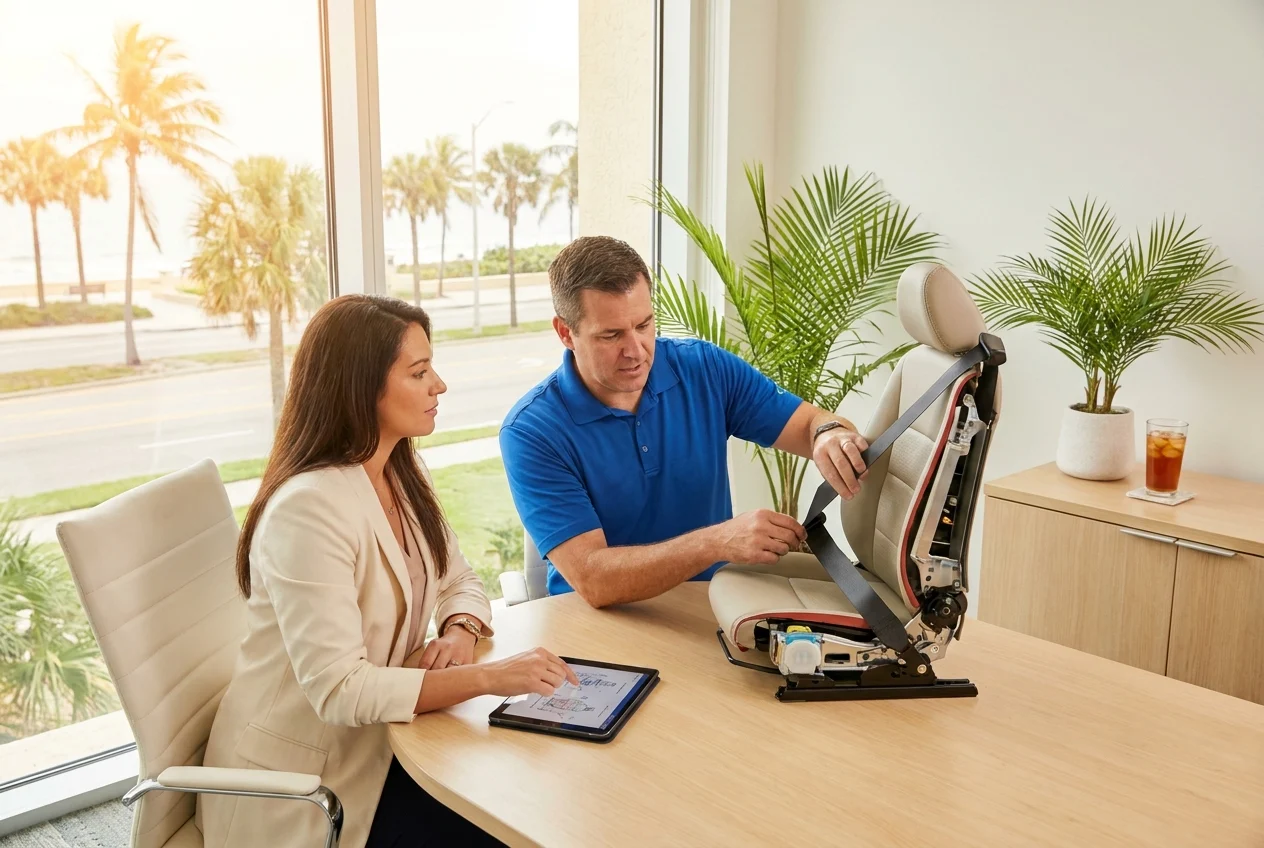
A seat belt only provides its intended protection when it is worn correctly. The lap belt should sit low across the hips, not across the stomach, and the shoulder belt should cross the center of the chest and shoulder rather than the neck or face. Tucking the shoulder belt behind the back or under the arm can increase the risk of serious injury because it changes how crash forces are distributed.
Drivers and passengers should also sit upright with their backs against the seat. Reclining too far, slouching, or sitting sideways can prevent the belt from holding the body securely in place. For children, the correct restraint depends on age, height, weight, and developmental stage, which is why child safety seats and booster seats are essential before a standard seat belt fits properly.
Common Myths That Lead People to Skip Buckling Up
One reason seat belt safety remains an important topic is that many people still underestimate the risks of not wearing one. Some assume they are safe because they are only taking a short drive or traveling on familiar roads. In reality, many crashes happen close to home, often during routine trips when drivers may be less alert or more likely to take safety for granted.
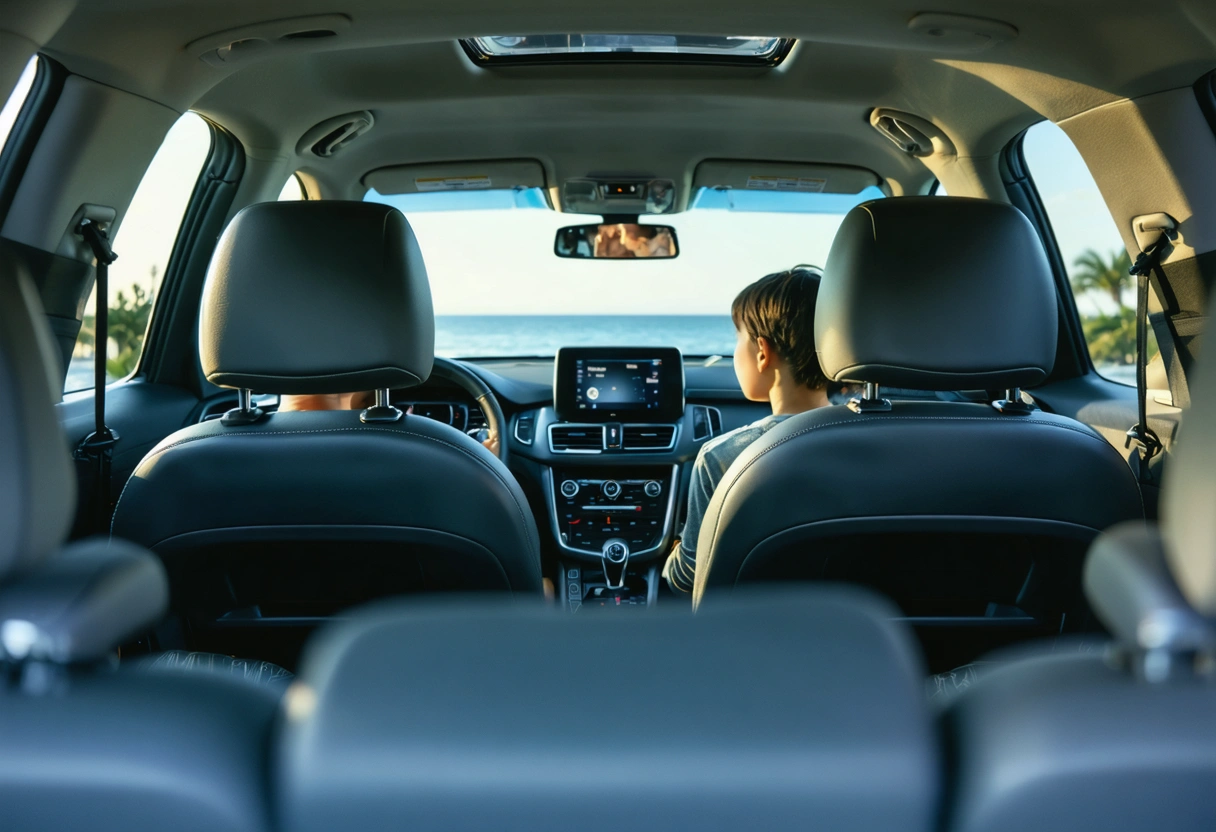
Another common myth is that seat belts are unnecessary in the back seat. Back seat passengers can be seriously injured if they are unbuckled, and they can also become a danger to others in the vehicle. In a crash, an unrestrained rear passenger may be thrown forward with tremendous force, increasing the risk of injury to front seat occupants as well as themselves.
Some people believe air bags make seat belts less important, but air bags are supplemental safety devices. They are not a replacement for seat belts. In fact, air bags deploy with significant force and are designed to work with a properly positioned occupant. Without a seat belt, a person may be too close to an air bag or may move out of position before it deploys, reducing its effectiveness and increasing injury risk.
Short Trips Still Carry Real Risk
Low speed driving and quick errands can create a false sense of security. Even at moderate speeds, a sudden stop or impact can generate enough force to cause serious injuries. A seat belt provides protection in crashes that happen in parking lots, residential streets, intersections, rural roads, and high speed highways alike.
The habit of buckling up every time helps remove guesswork from vehicle safety. When drivers and passengers treat seat belt use as automatic, they are less likely to forget during moments of distraction, stress, or urgency. This consistency is especially important for families, because children often learn safety behavior by watching the adults around them.
Seat Belt Safety for Drivers
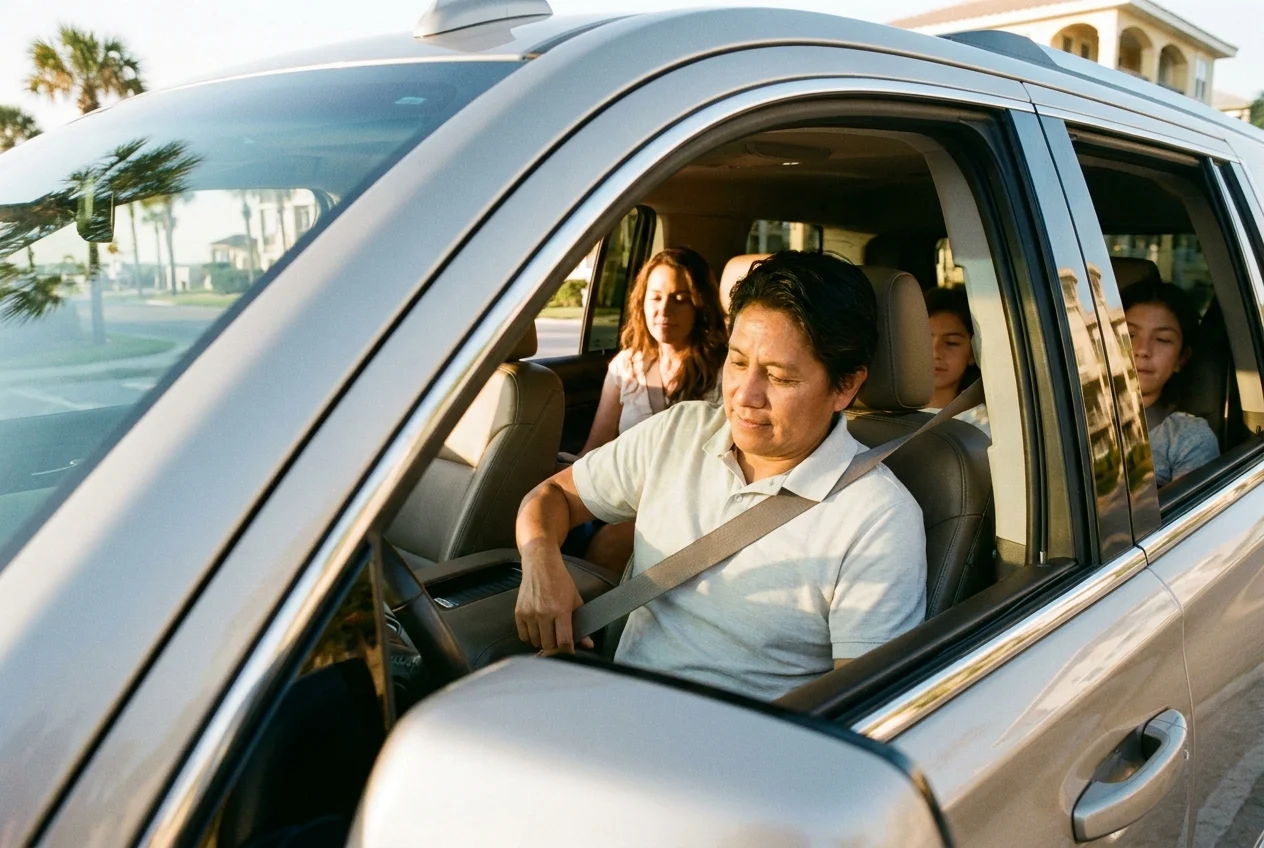
Drivers have a special responsibility when it comes to seat belt use because they control not only the vehicle, but also the safety culture inside it. Buckling up before shifting out of park sets the expectation that everyone in the vehicle should do the same. This is especially important when transporting children, teens, older adults, coworkers, or anyone who may be tempted to skip the belt for convenience.
A properly restrained driver is also better able to maintain control during an emergency. In a sudden swerve, hard brake, or side impact, a seat belt helps keep the driver positioned behind the steering wheel and within reach of the pedals. Without that restraint, the driver may slide out of position, lose the ability to steer, or be pushed away from the controls at the exact moment quick action is needed.
Seat belts also help prevent secondary impacts inside the vehicle. A crash often involves more than one movement. For example, a vehicle may hit another car, spin, strike a barrier, or roll over. Staying properly restrained through each phase of the crash reduces the chance that the driver will be thrown around the cabin or into another occupant.
How Drivers Can Encourage Everyone to Buckle Up
One of the simplest ways for drivers to improve safety is to make buckling up a nonnegotiable rule. Before leaving a driveway, parking space, school pickup area, or rideshare stop, the driver can quickly check that every passenger is secured. This does not need to be confrontational. A simple reminder such as, “Let’s make sure everyone is buckled before we go,” reinforces the expectation without turning it into a debate.
Drivers should be especially consistent with teen passengers and young adults, who may feel less vulnerable or may be influenced by peer behavior. If one person in the vehicle chooses not to buckle up, others may be more likely to follow. When the driver treats seat belt use as a normal part of every ride, it helps remove social pressure and replaces it with a clear safety standard.
For commercial drivers, delivery workers, rideshare drivers, and people who make frequent stops, seat belt use can be easy to overlook. Repeatedly getting in and out of a vehicle may make buckling seem inconvenient, but crashes can happen between short stops just as easily as on longer drives. Creating a habit of fastening the belt immediately after entering the vehicle helps keep safety consistent throughout the workday.
Why Passengers Matter in Vehicle Safety
Passengers sometimes think of seat belt use as a personal choice, but an unbuckled passenger can affect everyone in the vehicle. In a crash, the force of an unrestrained person moving through the cabin can be severe. A rear seat passenger who is not buckled may be thrown into the front seat, into another passenger, or toward the windshield. This can cause devastating injuries to both the unbuckled person and those around them.
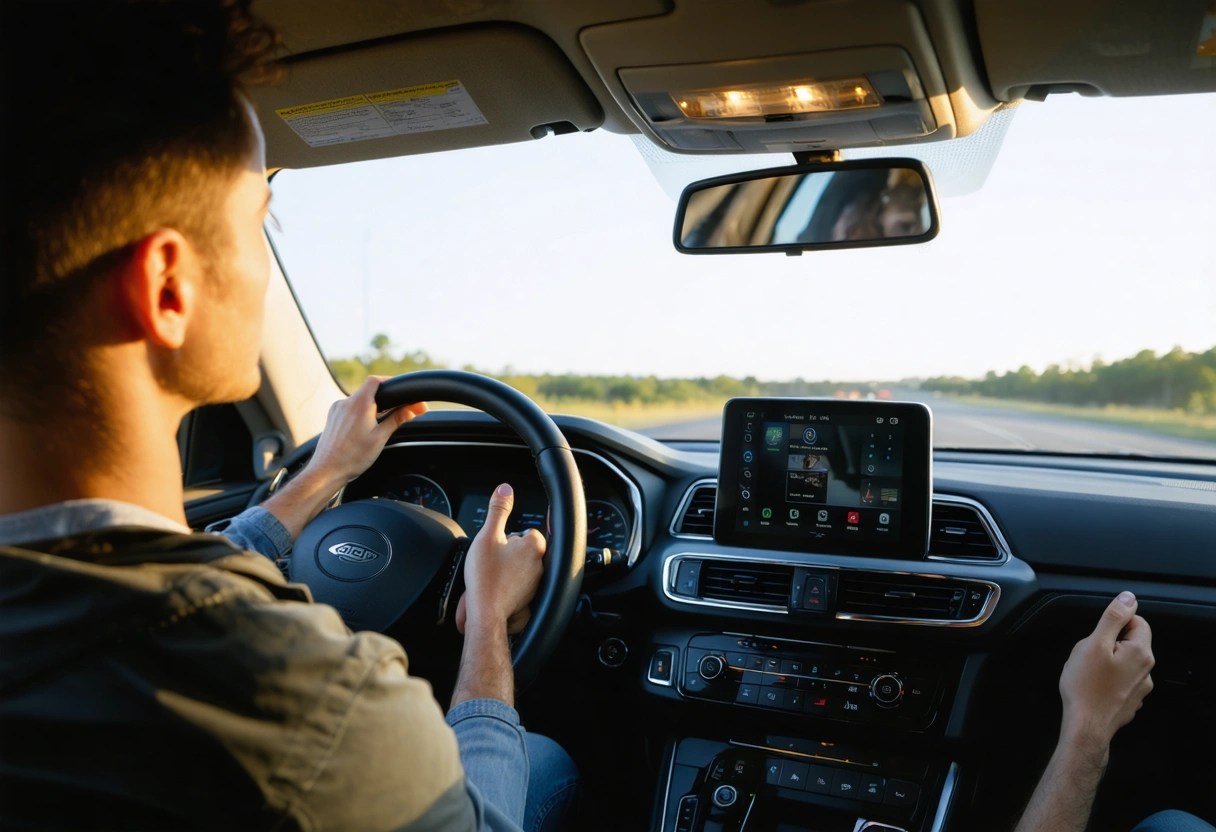
Every seating position should be treated as important. Front passengers need to sit upright, keep their feet off the dashboard, and wear the lap and shoulder belt correctly. Back seat passengers should buckle up even on short rides, in taxis, in rideshare vehicles, and when riding with friends or family. Third row passengers in vans and SUVs also need proper restraint, especially because larger vehicles can still roll over or experience high force impacts.
Passengers can also support the driver by reducing distractions. A properly buckled passenger is less likely to shift around, reach across the cabin, or interfere with the driver during sudden maneuvers. In this way, wearing a seat belt is part of being a safer and more responsible passenger.
Back Seat Safety Is Often Underestimated
Many people grew up believing the back seat was automatically safer, and while rear seating can provide important protection in some crashes, that protection is greatly reduced when passengers are unrestrained. Vehicle cabins are designed with restraint systems in mind. Seat belts, head restraints, seat backs, air bags, and the structure of the vehicle all work together to manage crash forces.
Back seat passengers may also face risks from side impacts, rollovers, and sudden stops. In a side impact crash, a buckled passenger is more likely to remain positioned within the seat and away from hard interior surfaces. In a rollover, a seat belt can help keep the passenger inside the vehicle and reduce contact with the roof, windows, or other occupants.
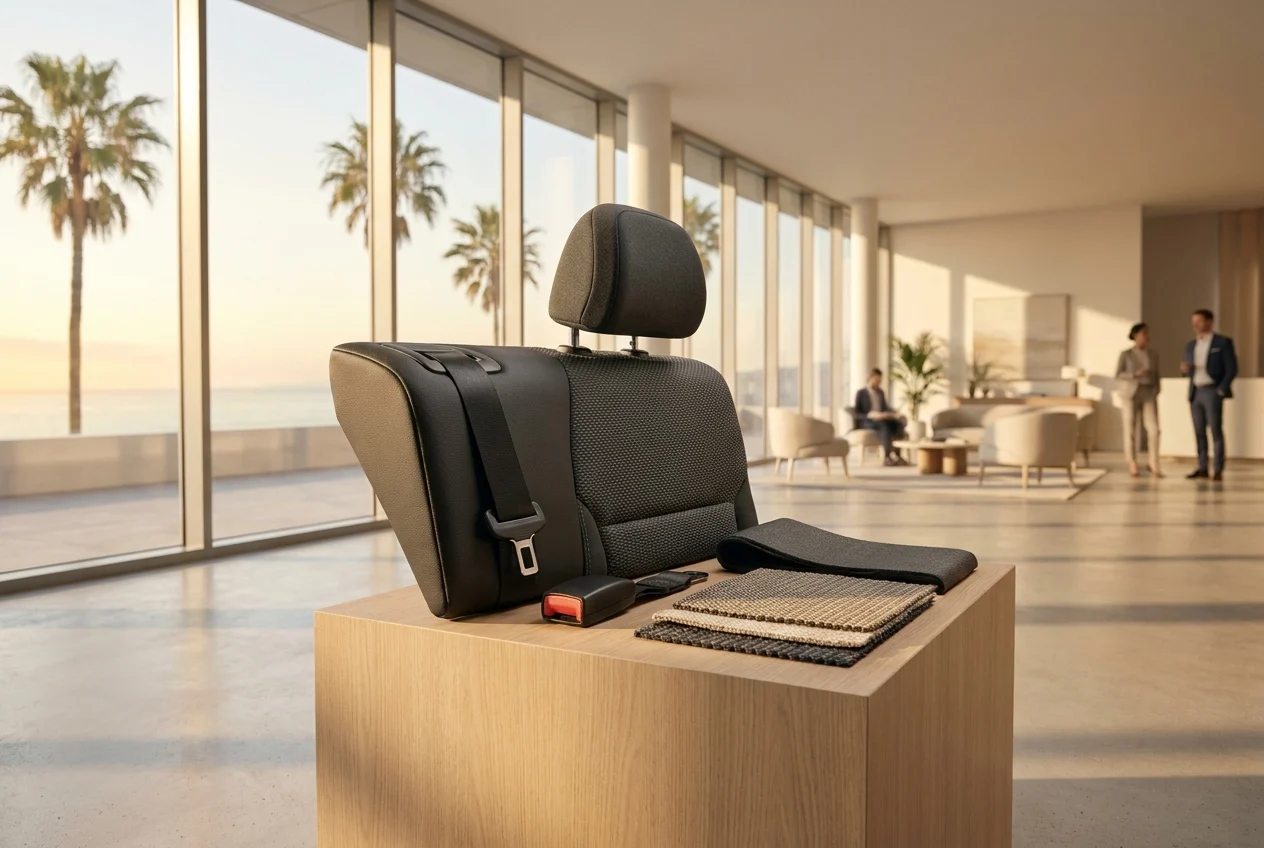
This is especially important for families using larger vehicles. SUVs, pickup trucks, and minivans may feel secure because of their size, but size alone does not protect an unbuckled occupant. Proper restraint is still one of the most reliable ways to reduce injury risk, regardless of the type of vehicle.
Children, Booster Seats, and Age Appropriate Restraints
Children are not simply smaller adults when it comes to seat belt safety. Their bones, muscles, and proportions are still developing, which means adult seat belts may not fit them correctly until they reach the proper size.
The correct restraint changes as a child grows. Infants and toddlers typically need rear facing car seats until they reach the height or weight limit set by the seat manufacturer.
A common test is whether the child can sit all the way back against the vehicle seat with knees bending naturally at the seat edge, the lap belt low across the upper thighs, and the shoulder belt crossing the chest and shoulder. If the belt rests on the stomach, neck, or face, the child likely still needs a booster seat.