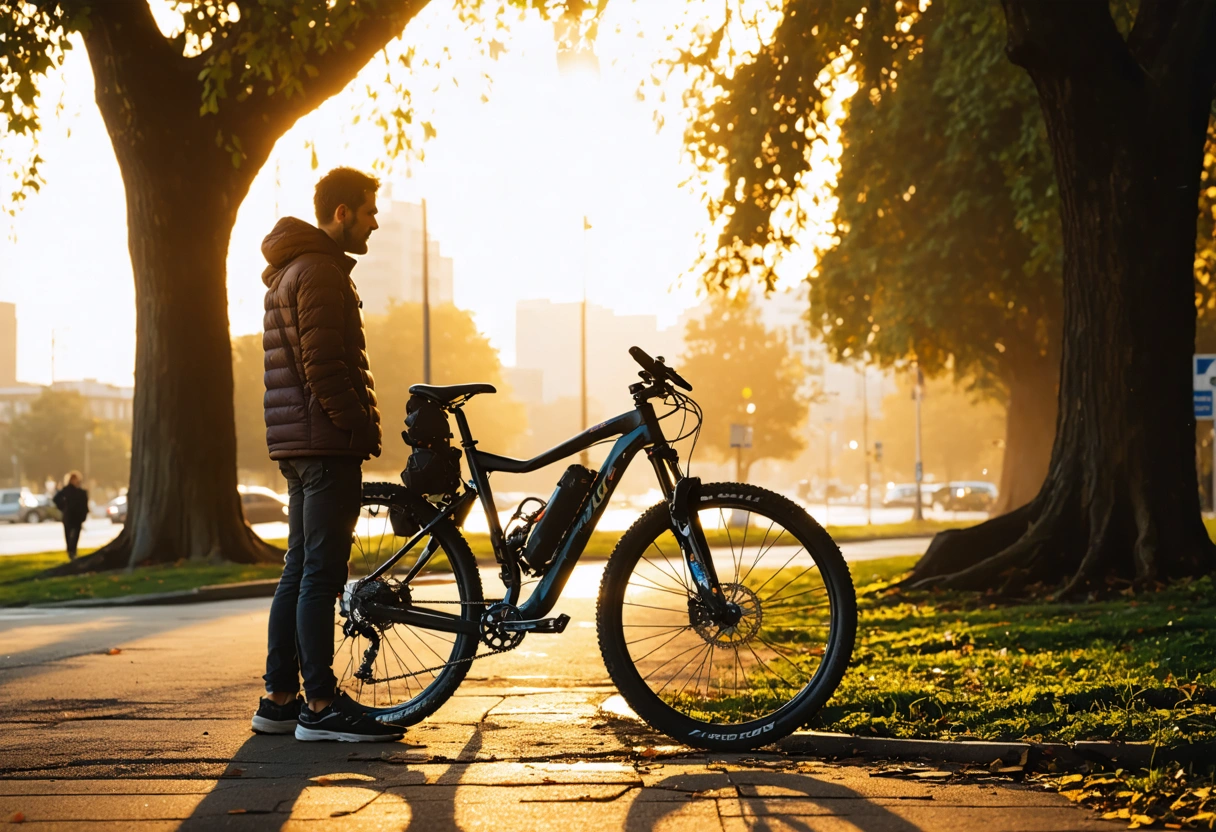
Riding a bicycle can be an exhilarating experience, offering a sense of freedom and a connection to the outdoors. However, ensuring your safety on the road is critical. Conducting regular bicycle safety checks can prevent accidents and injuries, making every ride enjoyable and secure.
Whether you’re a casual cyclist or a daily commuter, understanding the importance of performing safety checks is crucial. This comprehensive guide will walk you through the essential steps to ensure your bicycle is in top condition, helping you stay safe and confident on your journeys.
Pre-Ride Inspection: The Essential Checklist
A thorough pre-ride inspection is the foundation of bicycle safety. It involves a quick but comprehensive check of your bike to ensure everything is functioning correctly. This routine should become second nature before every ride.
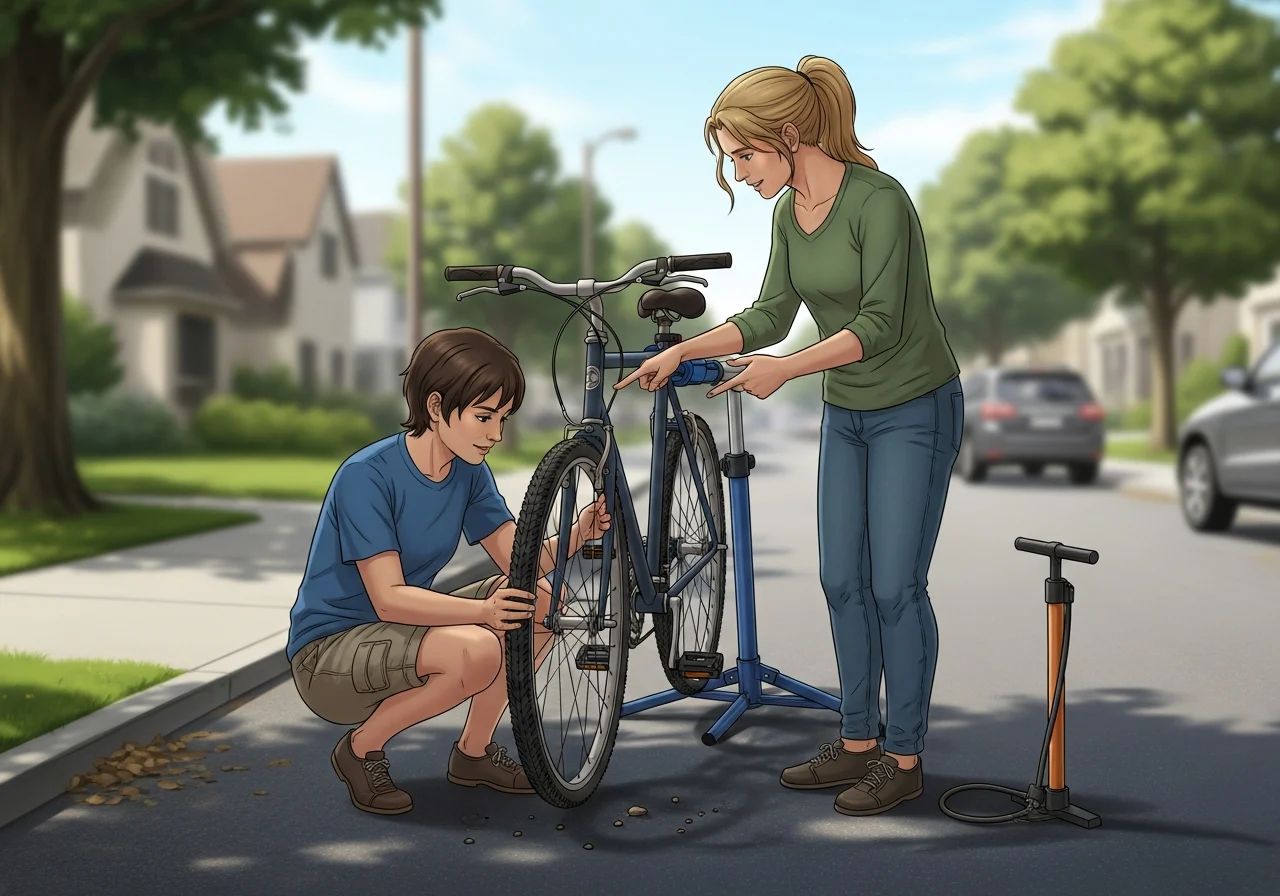
Start with the ABCs: Air, Brakes, and Chain. Check the air pressure in your tires to confirm they are inflated to the manufacturer’s recommended levels. Properly inflated tires provide better traction and make your ride more efficient. Inspect the brakes by squeezing the levers to ensure they engage smoothly and effectively. Lastly, examine the chain for any signs of rust or damage, and lubricate it as needed.
Frame and Fork
The frame and fork are the backbone of your bicycle. Inspect them for any visible cracks, dents, or damage. Pay special attention to the joints and welds, as these areas are prone to stress. Even minor damage can lead to serious issues if left unchecked.
If you find any structural damage, it’s best to consult a professional mechanic. Riding with a compromised frame or fork can lead to catastrophic failure, putting your safety at risk.
Wheels and Tires
Beyond checking tire pressure, take time to inspect the condition of your tires. Look for embedded debris, cracks, or excessive wear that may lead to a flat. Spinning the wheels can help identify if they are true and not wobbling. If you notice any issues, such as loose or broken spokes, adjust them or seek professional assistance.
Additionally, check the hubs for smooth operation. Any grinding or roughness may indicate the need for lubrication or bearing replacement.
Brake System: Crucial for Safety
Your bike’s brakes are its most critical safety feature, making their maintenance non-negotiable. Whether you have rim brakes or disc brakes, ensuring they function correctly is vital for your safety.
Rim Brakes
For bicycles equipped with rim brakes, regularly inspect the brake pads for wear. Worn-out pads can lead to decreased braking performance and should be replaced immediately. Ensure the pads align properly with the rims to prevent uneven wear and maximize braking power.
Check the brake cables for fraying or rust. Well-maintained cables ensure that your brakes respond instantly when needed. Adjust the brake levers so they are easy to reach and comfortable to use.
Disc Brakes
If your bike uses disc brakes, inspect the rotors for any signs of warping or damage. Rotor issues can compromise braking efficiency and should be addressed promptly. Check the brake pads for wear and replace them if necessary, ensuring they make full contact with the rotor.
Maintaining hydraulic disc brakes involves checking the fluid levels and looking for any leaks. Ensure that the brake levers feel firm when applied, indicating that the system is properly bled.
Drivetrain: Ensuring Smooth Operation
The drivetrain is the powerhouse of your bicycle, transferring your pedaling power to the wheels. Keeping it in top condition ensures a smooth and efficient ride.
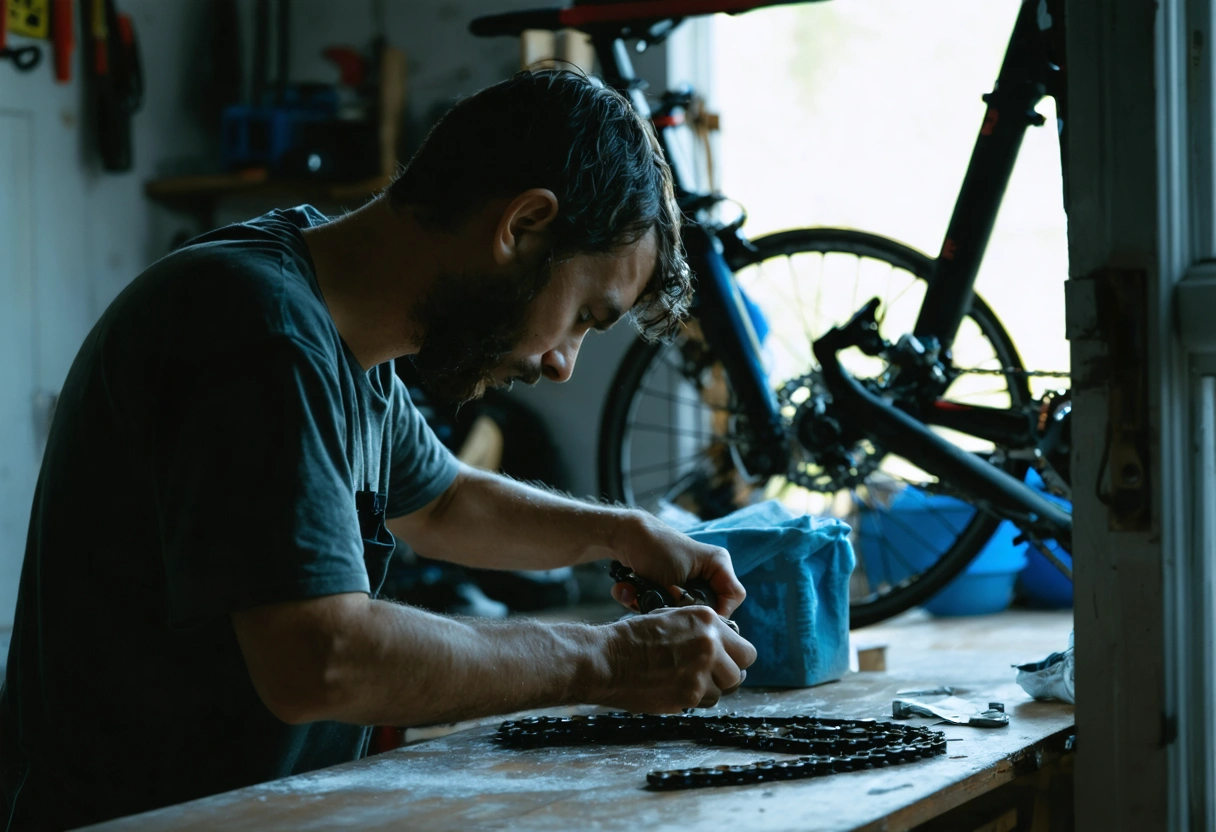
Regularly clean and lubricate the chain to prevent rust and wear. A clean chain reduces friction and extends the life of your entire drivetrain, including the cassette and chainrings. Check for chain stretch using a chain checker tool; a stretched chain can lead to poor shifting and premature wear of other components.
Gears and Shifters
Test the gears by shifting through all the options. They should engage smoothly without any skipping or jumping. If you encounter issues, it may be necessary to adjust the derailleur alignment or tension. Inspect the derailleur for damage and ensure all bolts are properly secured.
Clean the shifters and ensure they are free from dirt and debris that might hinder their performance. Regular maintenance can prevent costly repairs and enhance your riding experience.
Visibility and Lighting: Be Seen, Be Safe
Being visible is crucial when sharing the road with motor vehicles. Proper lighting and reflective gear enhance your safety, especially during low-light conditions or nighttime rides.
Ensure your bicycle is equipped with front and rear lights that comply with local regulations. Regularly check the batteries or charge the lights to ensure they are functioning optimally. Consider investing in reflective tape or accessories to increase visibility from all angles.
Reflectors and Clothing
Reflectors on your wheels, pedals, and frame greatly increase your visibility. Verify that they are clean and properly positioned. If they are missing or damaged, replace them promptly.
Wearing bright, reflective clothing further enhances visibility. Consider clothing with reflective strips or accessories like vests and ankle bands to ensure you stand out in traffic.
Helmet and Personal Safety Gear
Your helmet is your most important piece of safety equipment, designed to protect your head in case of a fall or collision. Always wear a helmet that meets safety standards and fits properly.
Inspect your helmet for cracks or signs of wear, and replace it if it has been involved in an impact. Ensure the straps are adjusted for a snug fit, and secure the chin strap every time you ride.
Additional Safety Gear
Beyond a helmet, consider additional protective gear such as gloves, knee pads, and elbow pads. These can provide extra protection and reduce the risk of injury during a fall.
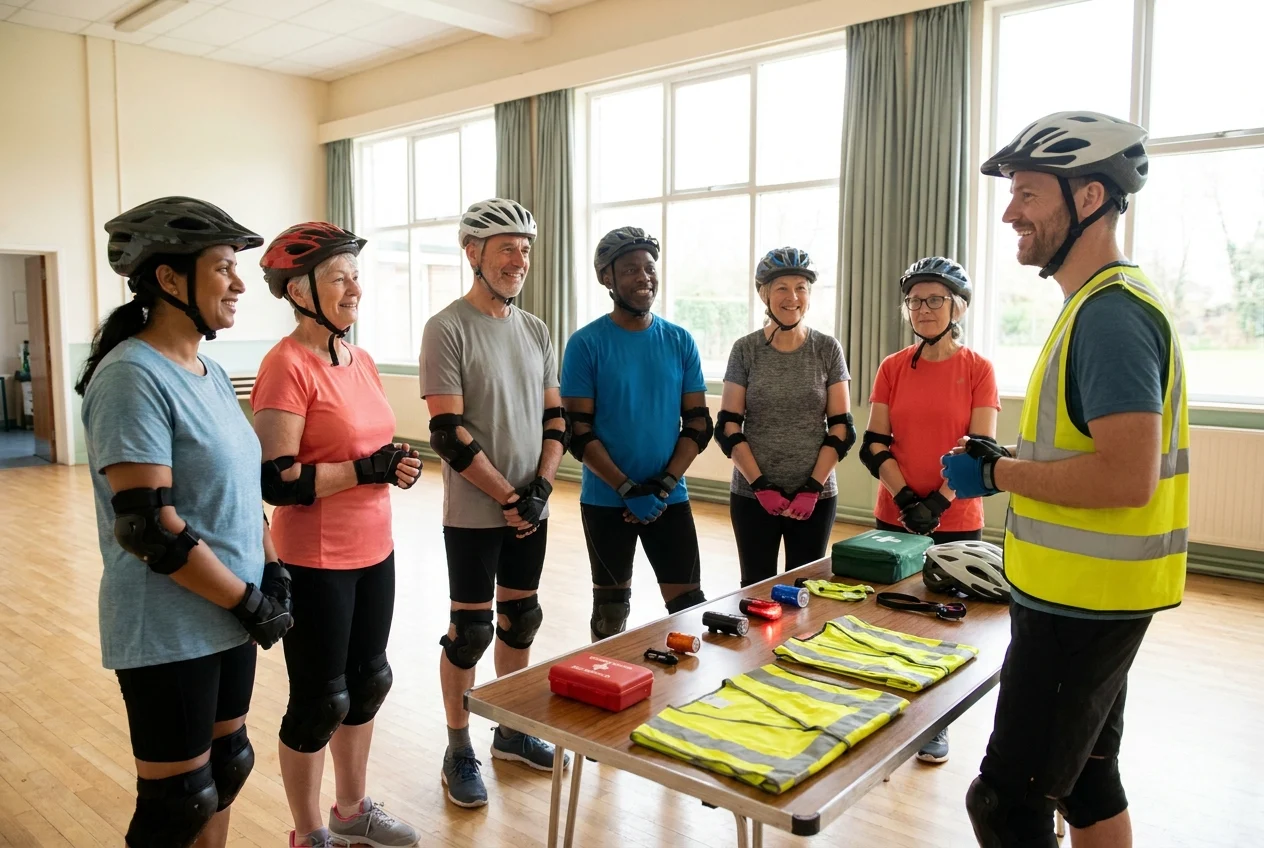
Eye protection is also important to shield your eyes from debris, insects, and harmful UV rays. Choose eyewear that is comfortable and provides a clear view of the road.
Making Bicycle Safety a Habit
Bicycle safety checks are essential for preventing accidents and ensuring a safe ride every time you hit the road. By incorporating these checks into your routine, you can enjoy cycling with confidence and peace of mind.
Remember, safety is an ongoing commitment. Regularly revisiting these steps and staying informed about bicycle maintenance can make all the difference in your cycling experience. Embrace the habit of performing diligent safety checks, and enjoy the freedom and joy that comes with safe cycling.
For further information, consider exploring resources on bicycle safety and injury prevention. Stay safe and happy cycling!
Community and Education: Spreading Awareness
Promoting bicycle safety extends beyond individual precautions—it involves community efforts and education. Communities that prioritize cyclist safety tend to have lower incidents of accidents and injuries. By fostering a culture of safety, everyone can benefit from safer roads and pathways.
Join or start local biking groups to share experiences and tips on maintaining bike safety. These groups often organize events such as bike safety workshops and group rides. Participating in these activities can increase your knowledge and connect you with other safety-conscious cyclists.
Advocacy and Infrastructure
Advocating for better cycling infrastructure in your local area can significantly enhance safety. Support initiatives for bike lanes, cycle tracks, and secure bike parking. Engaging with local governments can lead to the development of safer environments for cyclists.
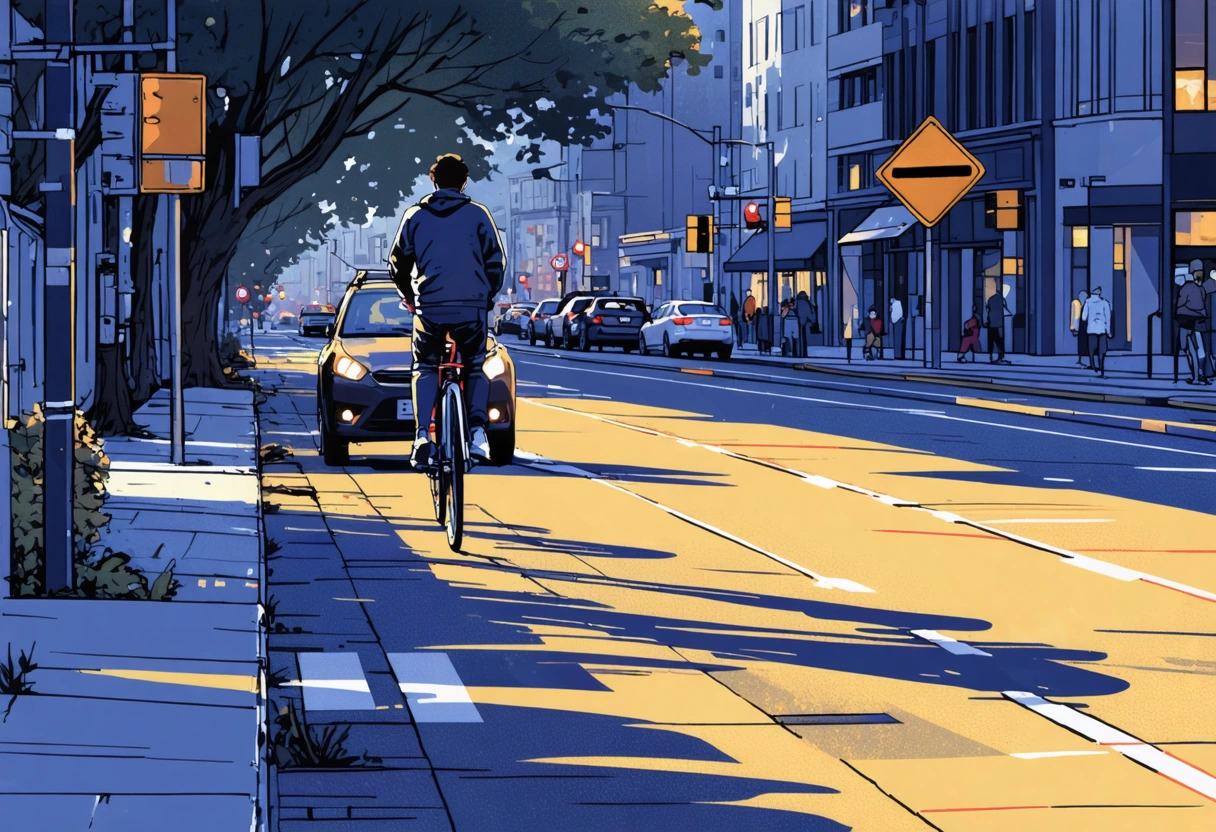
Collaborate with local organizations to raise awareness about the importance of cycling safety. Projects and campaigns aimed at educating motorists about sharing the road can also reduce accidents. Remember, a cooperative approach between cyclists, motorists, and local authorities is crucial for creating a safer cycling culture.
Educational Programs
Education is key to preventing accidents. Schools and community centers can offer programs that teach children and adults alike about road safety and proper cycling techniques. Knowing the rules of the road and how to navigate traffic can be life-saving skills.
Many programs also offer bicycle maintenance workshops, providing hands-on experience in performing safety checks. These workshops empower cyclists to take responsibility for their safety and ensure their bicycles are well-maintained.
Technological Advances: Enhancing Bicycle Safety
Technology has a growing role in improving bicycle safety. Innovations in cycling gear and accessories offer new ways to protect riders and prevent accidents.
One such advancement is the integration of smart helmets. These helmets often come with built-in lights, turn signals, and even crash detection systems that alert emergency contacts in the event of an accident. Investing in smart gear can add an extra layer of safety to your rides.
GPS and Tracking Devices
GPS and tracking devices can help you plan safer routes by avoiding high-traffic areas. They can also be invaluable in case your bike is stolen, as these devices often come with tracking features that help locate your bicycle.
Some cycling apps offer real-time navigation and traffic updates, allowing you to adjust your route based on current conditions. This technology not only enhances safety but also improves the overall cycling experience.
Reflective and LED Technology
Reflective materials and LED technology have revolutionized visibility for cyclists. Reflective tires and clothing enhance your presence on the road, while LED lights offer powerful illumination and visibility from a distance.
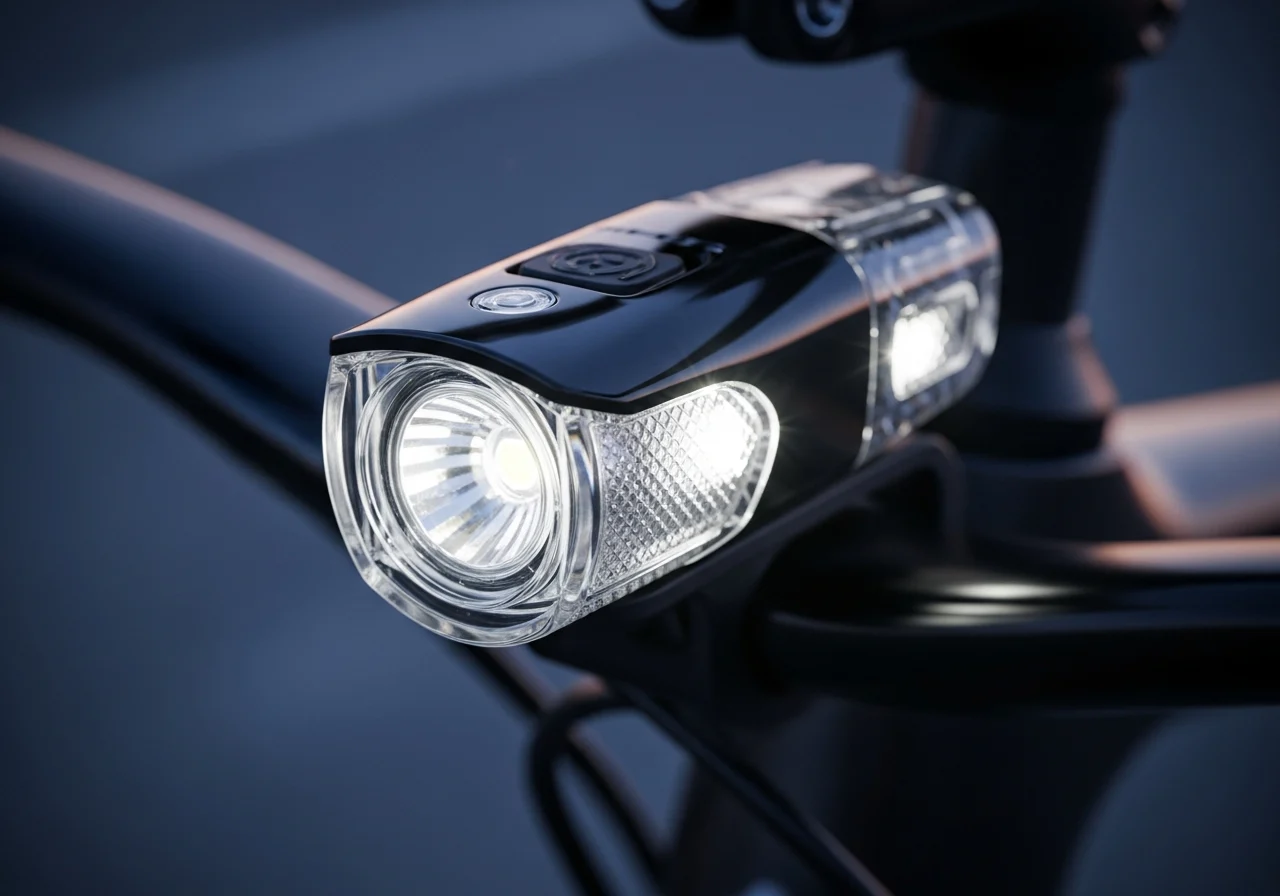
Consider equipping your bike with a smart lighting system that automatically adjusts based on ambient light conditions. Such systems ensure you remain visible without the need for manual adjustments, allowing you to focus solely on the ride.
The Role of Government Regulations
Government regulations play a critical role in bicycle safety, with laws and guidelines designed to protect cyclists and ensure safe cycling conditions. Staying informed about these regulations helps you comply and stay safe on the road.
Many regions require bicycles to have specific safety features, such as reflectors and working lights. Familiarizing yourself with local laws ensures you are equipped and compliant, reducing the risk of fines and enhancing your safety.
Helmet Laws and Liability
Helmet laws vary by region, but wearing a helmet is universally recognized as a primary safety measure. Some areas mandate helmet use for all cyclists, while others focus on younger riders. Regardless of legal requirements, wearing a helmet is a prudent choice for safety.
Understanding liability laws can also protect you in the event of an accident. Knowing your rights and responsibilities helps you navigate interactions with motor vehicles and ensures you receive appropriate support if needed. Engaging with local cycling groups can provide further insights into how these laws impact your daily rides.
Building a Safer Cycling Future
Creating a safer cycling environment is a shared responsibility that involves individuals, communities, and governments. By staying informed, performing regular safety checks, and advocating for improved infrastructure, we can work towards a future where cycling is both safe and enjoyable for everyone.
Let’s continue to educate ourselves and others about the importance of bicycle safety. By fostering a culture of awareness and responsibility, we can reduce accidents and create a supportive cycling community. Safe cycling is not just about individual precautions; it’s about building a network of informed and vigilant cyclists who look out for one another.