
A boat accident can turn a day on the water into a confusing, stressful, and legally complicated event within seconds. Whether the incident involves a collision, capsizing, wake injury, passenger fall, jet ski crash, dock impact, or a suspected intoxicated operator, the steps you take immediately afterward can affect your health, your financial recovery, and your ability to prove what really happened.
Protecting your legal rights after a boat accident begins with safety, documentation, and smart communication. The goal is not to build a lawsuit on the spot. It is to preserve accurate information, avoid preventable mistakes, and make sure insurers, investigators, and responsible parties cannot later rewrite the facts.
Safety, Stabilization, and the First Minutes on the Water
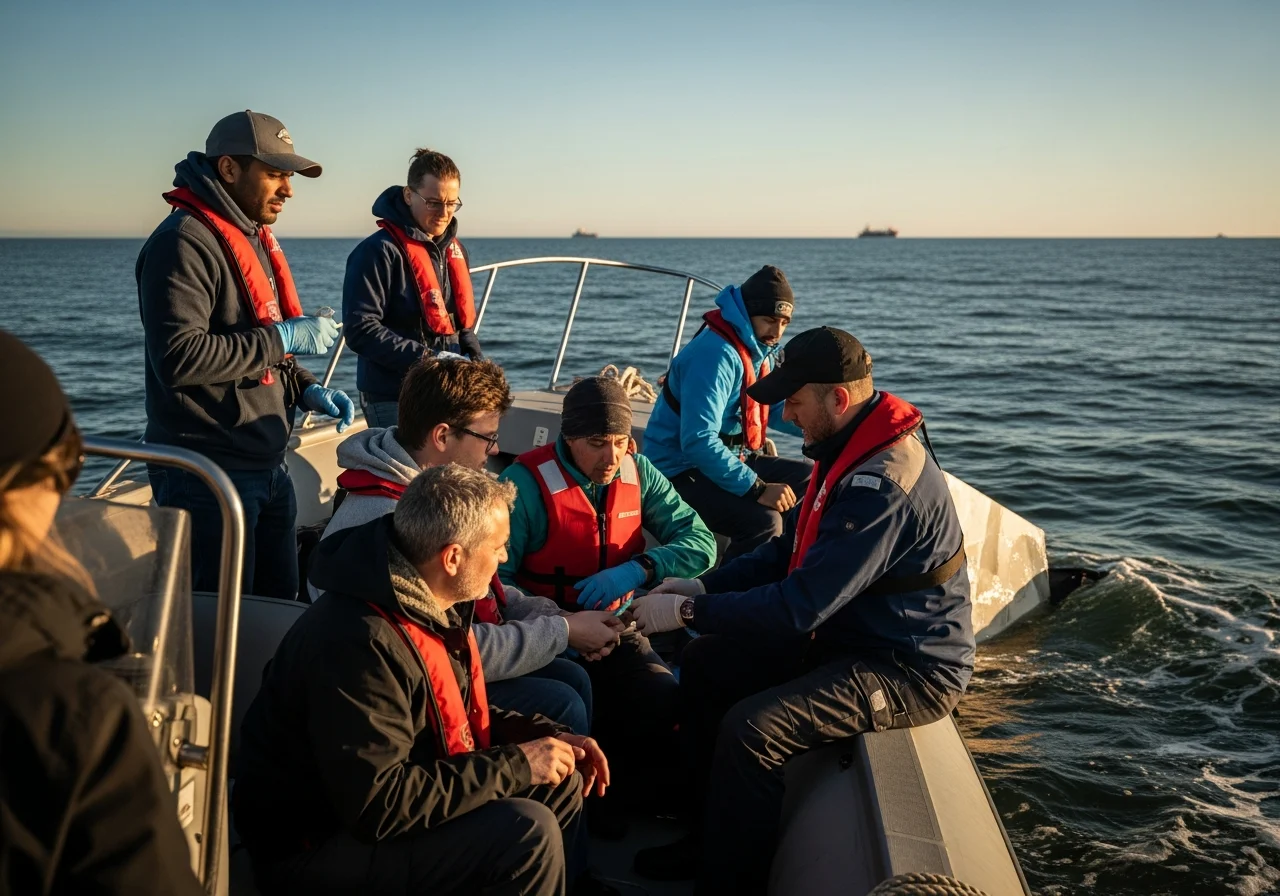
The first priority after any boat accident is preventing additional harm. If the vessel is still afloat and it is safe to do so, operators and passengers should check for injuries, put on life jackets, account for everyone, and move away from immediate hazards such as fuel leaks, fire, strong currents, propellers, or oncoming vessel traffic. If someone is in the water, initiate a safe rescue only if it does not place more people in danger.
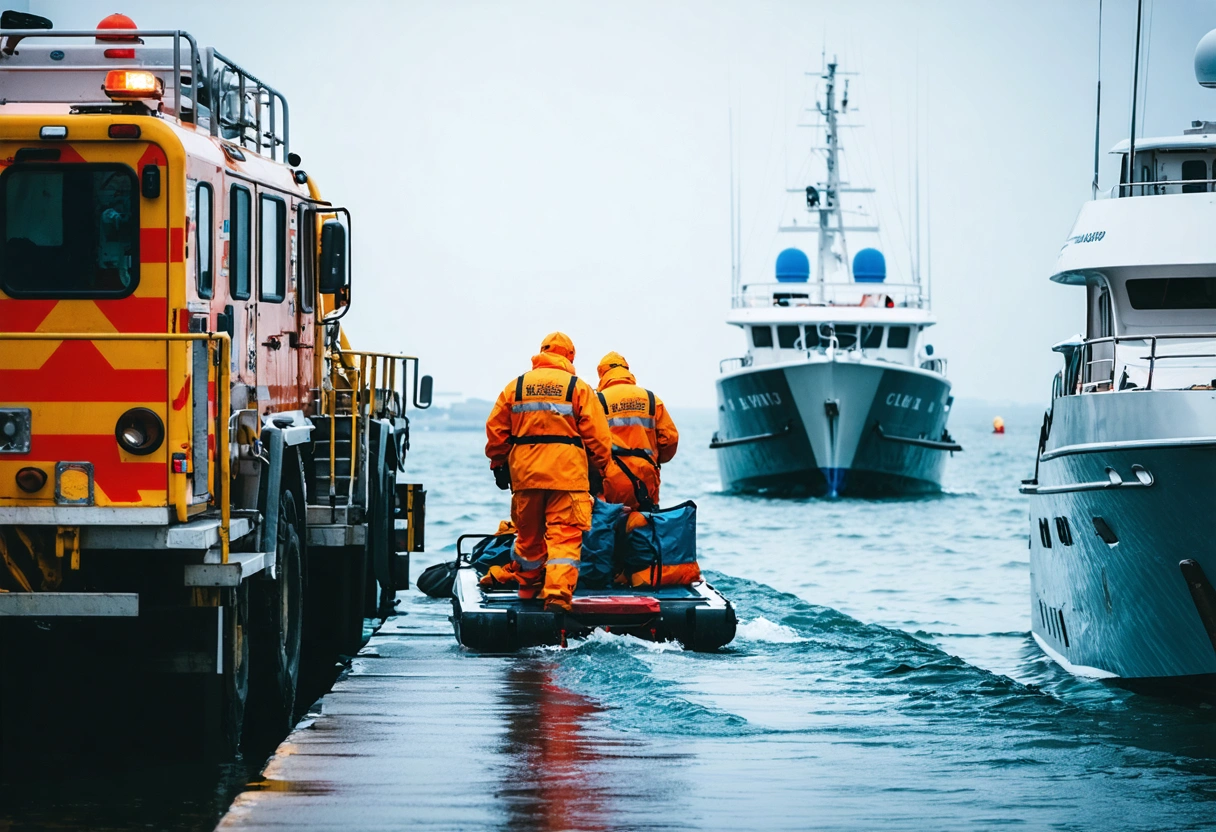
Call for emergency help as soon as possible. Depending on where the accident occurs, this may mean contacting 911, the U.S. Coast Guard, local marine patrol, harbor police, park rangers, or lake authorities. Use VHF radio Channel 16 if available for distress communications, and provide your location as precisely as possible using GPS coordinates, nearby markers, marinas, bridges, buoys, landmarks, or shoreline descriptions.
Do not underestimate the effects of shock, cold water, head trauma, or near drowning. A person who seems alert may still be experiencing internal bleeding, concussion symptoms, spinal injuries, hypothermia, or respiratory complications from inhaling water. Getting medical help quickly protects lives and creates an important record connecting injuries to the boating accident.
If it is safe, preserve the accident scene as much as possible until authorities arrive. Avoid moving equipment, discarding broken parts, cleaning up debris, or repairing damage unless necessary for safety. Small details, such as a missing navigation light, a loose throttle cable, a damaged ladder, or an empty alcohol container, may later become significant evidence in a boating accident claim.
Reporting the Incident and Creating an Official Record
Many boat accidents must be reported to government authorities, especially when someone is injured, dies, disappears, or when property damage exceeds a certain threshold. Reporting rules can vary by state and by the type of waterway involved, but federal guidance on recreational boating accident reporting explains when formal reports are generally required and why accurate reporting matters.
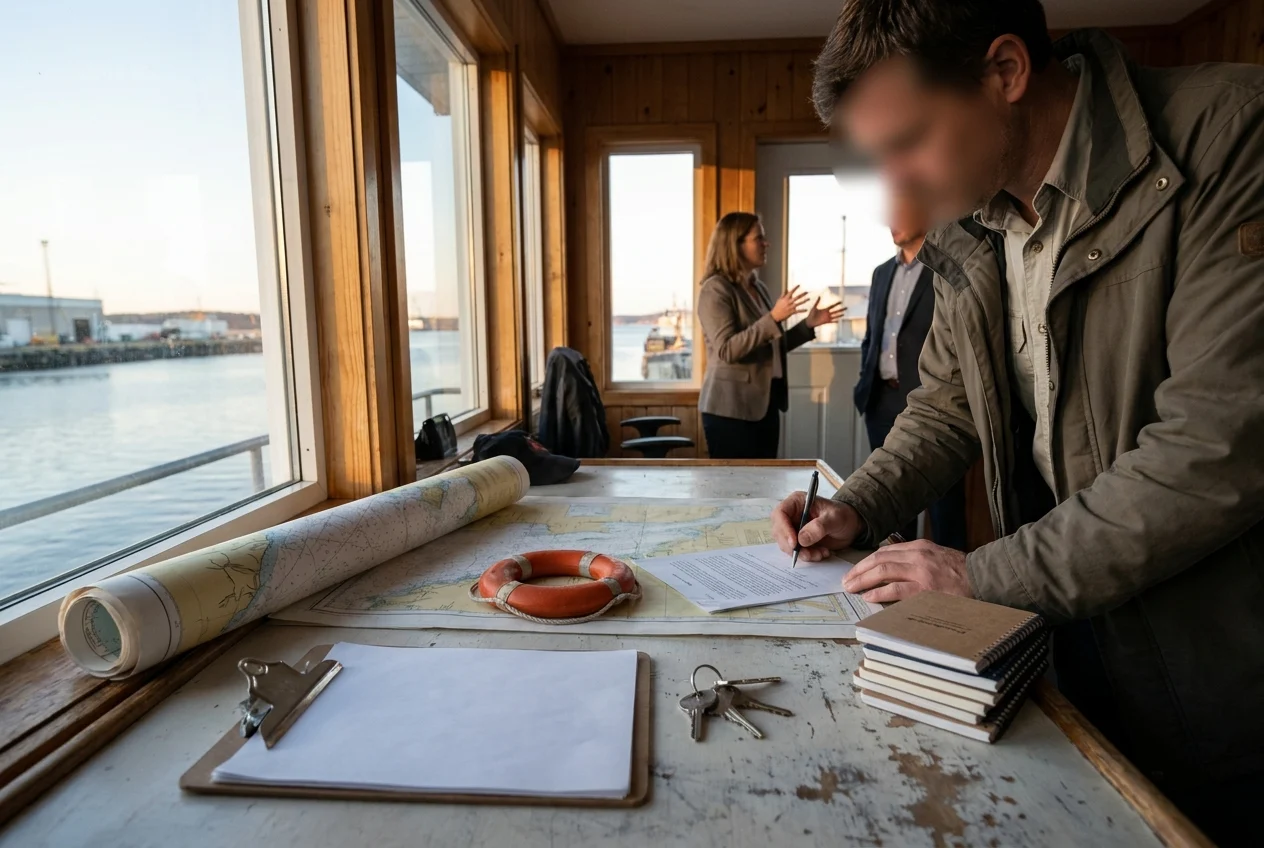
An official accident report can become one of the most important documents in your legal case. It may identify operators, vessel owners, passengers, witnesses, weather conditions, suspected violations, injuries, property damage, and whether alcohol, excessive speed, or equipment failure appeared to play a role. If law enforcement or marine patrol responds, ask how to obtain a copy of the report once it becomes available.
When speaking with authorities, be factual and concise. Provide what you personally saw, heard, and experienced. Avoid guessing about speed, distance, intoxication, mechanical defects, or fault unless you are certain. Statements such as “I think I might have caused it” or “I am fine” can be misinterpreted later, particularly if injuries worsen or new evidence emerges.
If you are required to complete a written report, take it seriously. Incomplete or inaccurate reports can create problems when insurers or opposing parties review the file. Before submitting any formal statement beyond basic facts, it is often wise to consult an attorney, especially if there were serious injuries, a fatality, a commercial vessel, a rental boat, or allegations of boating under the influence.
Medical Care Is Both a Health Step and an Evidence Step
Seeking medical care after a boat accident is not just about treating obvious injuries. It is also about identifying hidden injuries before they become more serious. Boat collisions and sudden impacts can cause concussions, whiplash, herniated discs, shoulder injuries, knee damage, fractures, lacerations, burns, and internal trauma. Falls on wet decks can produce hip, wrist, back, or head injuries that may not fully appear until hours or days later.
Water related accidents also bring special medical concerns. A near drowning event can lead to delayed breathing problems. Exposure to contaminated water can increase infection risk. Cold water immersion can affect judgment and muscle control. Propeller injuries may involve deep tissue damage, nerve injury, and severe scarring. Even if emergency responders clear you at the scene, follow up with a physician if you feel pain, dizziness, confusion, numbness, shortness of breath, nausea, or unusual fatigue.
From a legal perspective, medical documentation helps prove causation. Insurance companies often argue that an injury was preexisting, unrelated, exaggerated, or caused by something after the accident. Prompt medical evaluation creates a timeline showing that symptoms began after the boat accident and were serious enough to require treatment.
Follow medical advice carefully. Attend follow up appointments, complete imaging or specialist referrals, take prescribed medications as directed, and participate in physical therapy if recommended. Gaps in treatment can be used against you, even when those gaps occur because you were hoping to heal on your own or were worried about medical bills.
Gathering Evidence Before It Disappears
Evidence in boat accident cases can vanish quickly. Vessels are repaired, weather changes, wakes settle, electronic data is overwritten, passengers leave town, and memories fade. If you are physically able, begin gathering information as soon as the scene is safe. If you are injured, ask a trusted passenger, family member, or friend to help.

Photograph and video everything relevant. Capture the vessels from multiple angles, registration numbers, damage, debris fields, weather and visibility, water conditions, dock or marina layout, lighting, safety equipment, warning signs, seating areas, railings, ladders, wake zones, and any visible injuries. Take wide shots to show context and close shots to show detail. If the accident happened at night, document lighting conditions as they existed at the time.
Collect names, phone numbers, addresses, and email addresses for everyone involved, including operators, owners, passengers, swimmers, dock workers, marina employees, nearby boaters, and shoreline witnesses. Witnesses who are not personally connected to either side can be especially valuable because they may be viewed as more neutral.
Preserve physical and digital evidence. Keep torn clothing, damaged sunglasses, broken phones, life jackets, receipts, rental agreements, fuel receipts, booking confirmations, GPS screenshots, text messages, videos, and social media posts. Do not repair or dispose of a damaged vessel, personal watercraft, motor, safety device, or trailer until it has been inspected, photographed, and, if needed, evaluated by an expert.
Understanding Who May Be Legally Responsible
Boat accident liability is often more complex than it first appears. The obvious wrongdoer may be a negligent operator who was speeding, distracted, impaired, inexperienced, or violating navigation rules. However, responsibility may also extend to a boat owner, rental company, tour operator, marina, manufacturer, maintenance provider, event organizer, or another passenger whose conduct created a dangerous situation.
Common negligence issues include failing to keep a proper lookout, operating too fast for conditions, creating an unsafe wake, ignoring right of way rules, overloading a vessel, failing to provide life jackets, operating in restricted areas, allowing unqualified people to drive, or failing to maintain navigation lights, steering systems, engines, bilge pumps, or safety equipment. In some cases, a defective product such as a faulty fuel system, defective ladder, bad throttle, or inadequate warning label may contribute to the injuries.
Liability may also depend on whether the accident occurred on inland waters, coastal waters, a river, or during a commercial excursion. Maritime rules, state boating statutes, local ordinances, and rental contract terms can all affect how fault is evaluated. For example, alcohol related operation is treated seriously because impairment affects balance, reaction time, judgment, and distance perception on the water. Federal boating safety materials on boating under the influence explain why alcohol can be especially dangerous in marine environments.
Dealing With Insurance Companies Carefully
After a boat accident, you may be contacted by several insurers, including a boat owner’s policy, homeowner’s policy, umbrella policy, rental company insurer, commercial marine insurer, or your own health or property insurer. Be polite, but cautious.
Avoid giving a recorded statement before you understand the full extent of your injuries and legal rights. Do not speculate, accept blame, minimize symptoms, or agree that the accident was “minor” if you have not been medically evaluated.
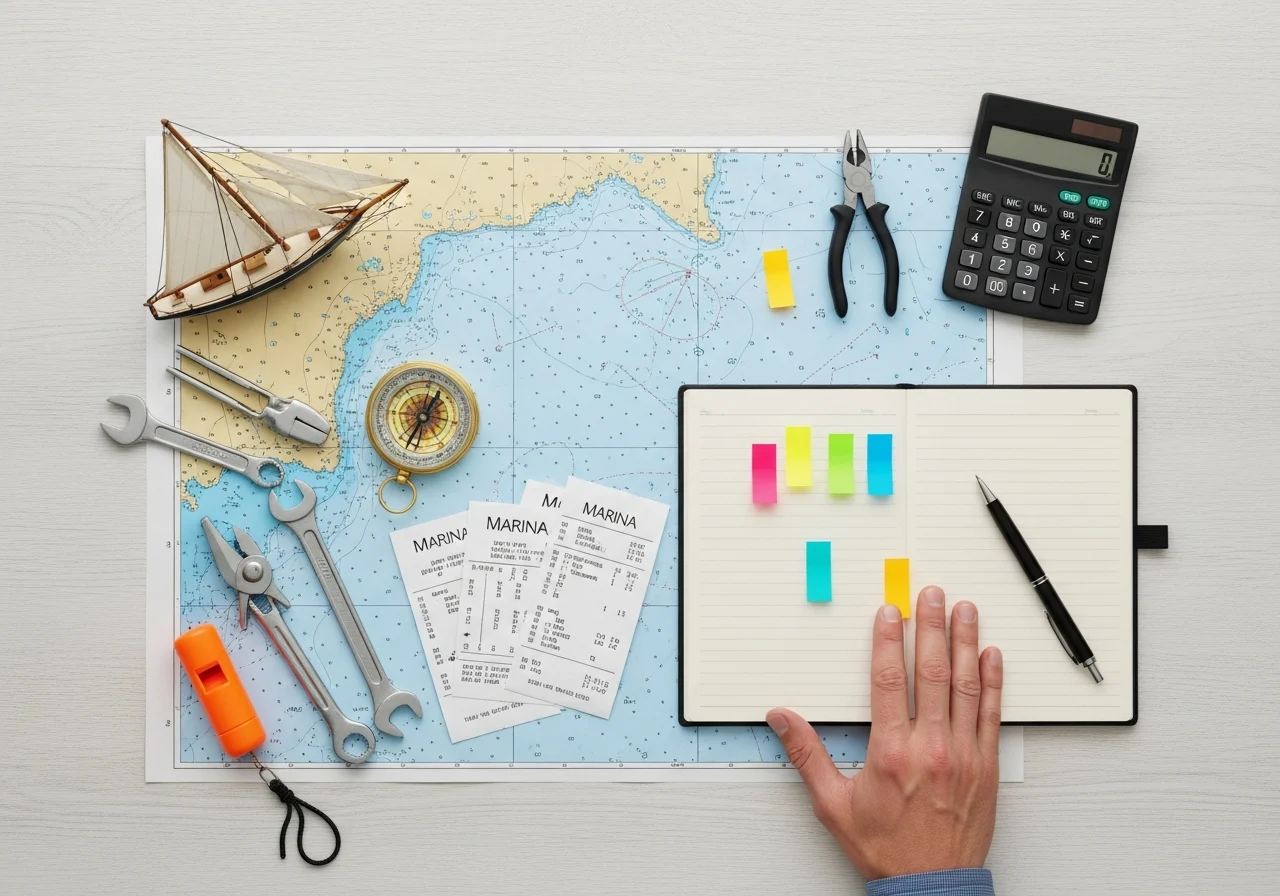
Keep a claim file with every document connected to the accident. Include medical bills, prescription receipts, mileage to appointments, repair estimates, towing invoices, lost wage records, photographs, correspondence, and notes from calls with adjusters.
Deadlines, Jurisdiction, and Why Timing Matters
Boat accident claims are governed by deadlines known as statutes of limitation, but the correct deadline is not always obvious. A claim on a local lake may be handled differently from a claim involving navigable waters, a ferry, a cruise excursion, a commercial fishing vessel, or a rental boat used near the coast.

The legal concept of admiralty and maritime jurisdiction can become important when an accident has a substantial relationship to traditional maritime activity or occurs on navigable waters. This is one reason early legal guidance can be so valuable. Waiting too long may make it harder to inspect vessels, secure surveillance footage, identify witnesses, or challenge an insurer’s version of events.
Timing also matters because serious injuries often require expert evaluation. Accident reconstruction specialists, marine safety experts, medical professionals, vocational experts, and economists may be needed to prove how the accident happened and how it changed your life.
Protecting Your Future After a Boat Accident
The aftermath of a boat accident can feel overwhelming, especially when injuries, medical bills, damaged property, and insurance questions arrive all at once. The best approach is deliberate and organized: get medical care, report the incident, preserve evidence, avoid careless statements, track losses, and speak with a knowledgeable attorney before making decisions that could permanently affect your rights.
Boating should be enjoyable, but when negligence turns recreation into harm, the law may provide a path to accountability and financial recovery. By acting quickly and thoughtfully, you protect not only your legal claim, but also your ability to heal, rebuild, and move forward with confidence.