
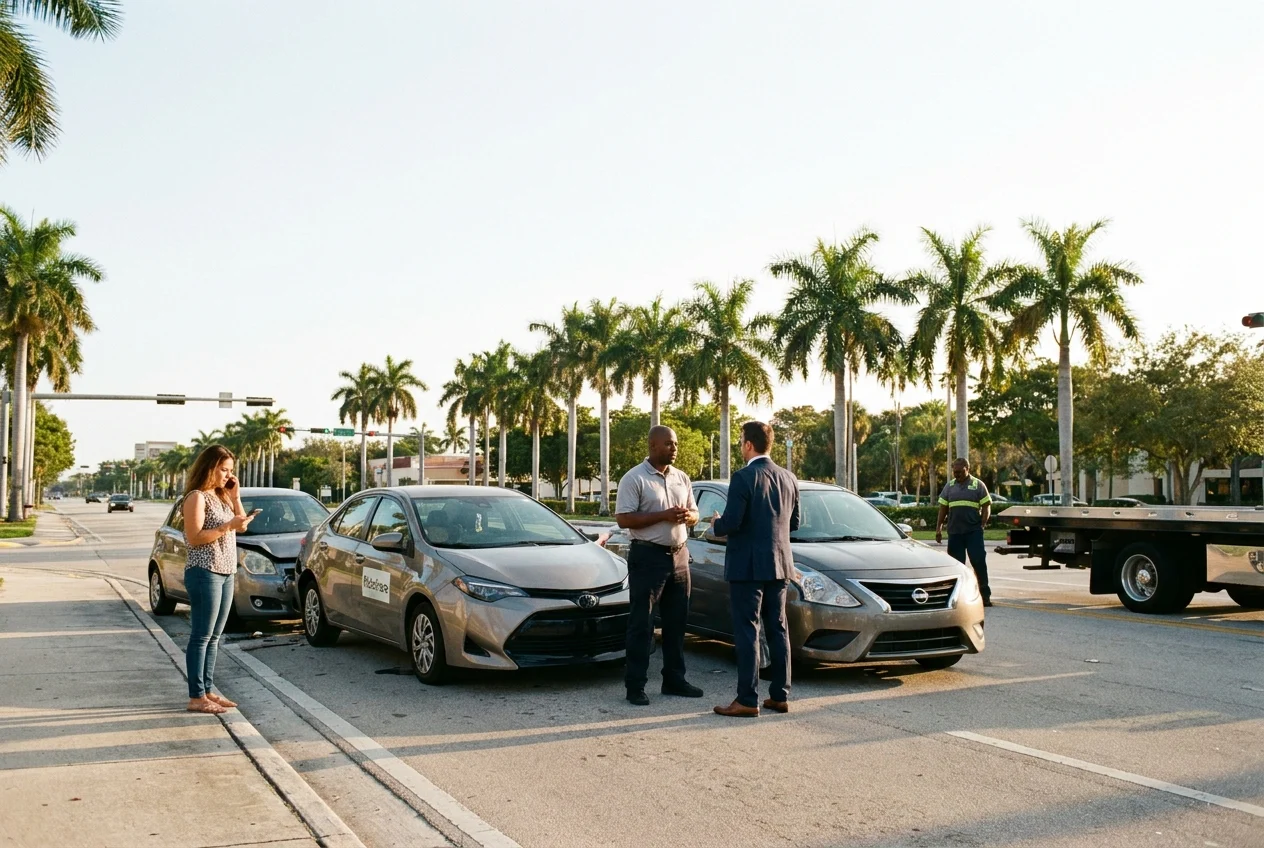
Rideshare services have changed the way people get around, offering quick transportation through app-based platforms and flexible driver networks. But when a crash involves a rideshare vehicle, the legal and insurance questions can become much more complex than a typical two-car collision.
Unlike standard car accident claims, rideshare accidents may involve multiple insurance policies, shifting coverage rules, app activity records, and questions about whether the driver was working at the time of the crash. Understanding these complications can help injured passengers, drivers, pedestrians, and other motorists recognize why these cases often require careful investigation.
Multiple Parties May Be Involved in the Claim
One reason rideshare crash cases can become complicated is that responsibility may not be limited to just one driver. Depending on the circumstances, a claim may involve the rideshare driver, another motorist, the rideshare company, vehicle owners, insurance carriers, passengers, pedestrians, or even third parties such as vehicle manufacturers or maintenance providers.
For example, if a rideshare driver caused the collision while transporting a passenger, the driver’s actions will be central to the claim. However, the rideshare company’s insurance coverage may also become relevant. If another driver caused the crash, that driver’s insurance may be involved, but the rideshare driver’s status in the app could still affect available coverage for injured passengers.
The Driver’s Role Can Change During a Single Trip
A rideshare driver may be considered a private driver at one moment and a working rideshare driver shortly after logging into the app. This distinction matters because insurance coverage often depends on what the driver was doing at the exact time of the accident.
If the driver was off the app, personal auto insurance may be the primary source of coverage. If the driver was logged in and waiting for a ride request, a different level of rideshare-related coverage may apply. If the driver had accepted a ride or was actively transporting a passenger, higher coverage limits may be available under the rideshare platform’s policy.
Insurance Coverage Depends on App Status
Insurance is often the most contested issue in rideshare accident cases. Traditional car accident claims usually begin with determining which driver was at fault and which personal auto policy applies. In rideshare cases, the analysis often starts with the driver’s app status at the moment of impact.
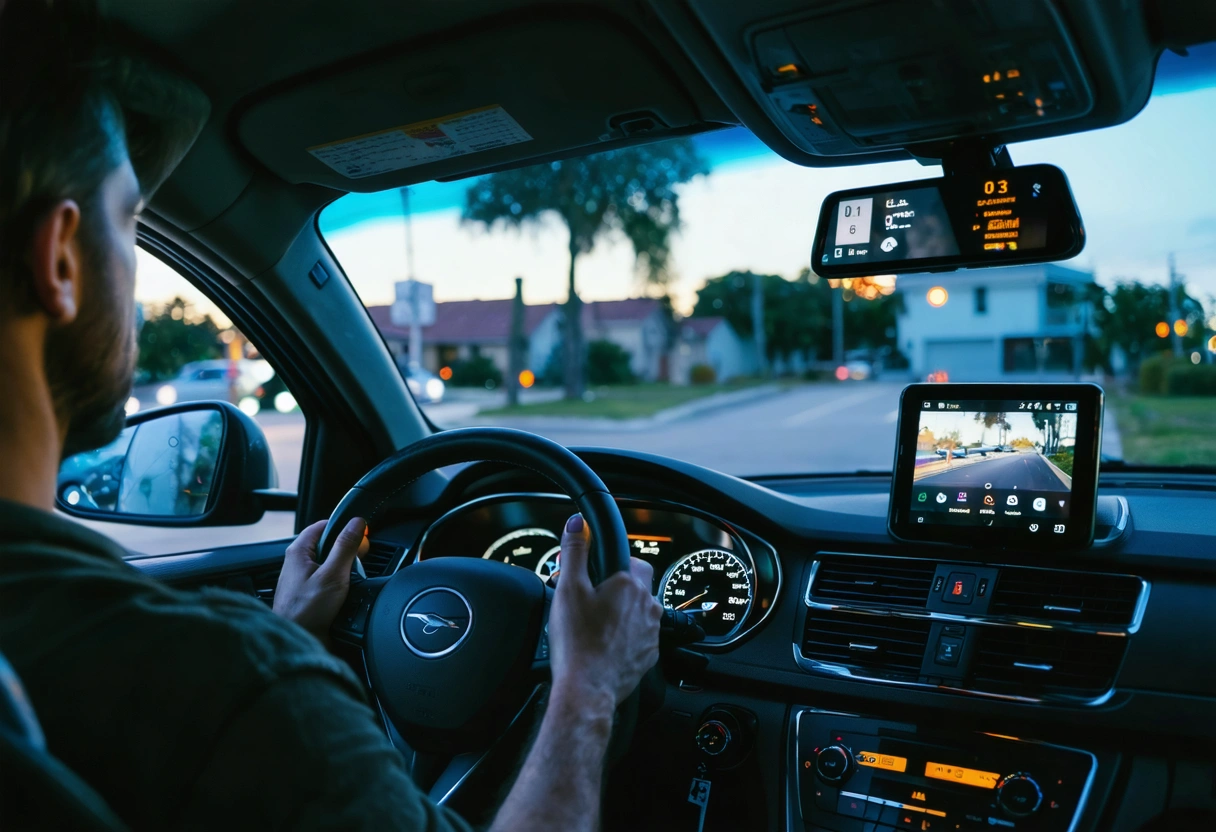
Rideshare companies typically divide coverage into different periods. These periods may include when the driver is not logged into the app, when the driver is logged in but has not accepted a ride, when the driver is on the way to pick up a passenger, and when the passenger is in the vehicle. Each period may trigger different insurance obligations and coverage limits.
Disputes Can Arise Over the Exact Timing of the Crash
The difference between one coverage period and another may come down to seconds. A crash that occurs just before a driver accepts a ride request may be treated differently from a crash that occurs just after acceptance. This can lead to disputes between personal insurers, rideshare insurers, and injured parties over which policy should pay.
App data, trip logs, GPS records, phone activity, police reports, and witness statements may all become important evidence. Without a clear timeline, insurance companies may delay, deny, or shift responsibility for the claim, making the process more difficult for accident victims.
Personal Auto Policies May Exclude Rideshare Activity
Another complication is that many personal auto insurance policies contain exclusions for commercial or for-hire driving. A driver may believe their regular auto policy will cover a crash, only to learn that the insurer considers rideshare driving outside the scope of ordinary personal use.
This can create coverage gaps, especially when the driver was logged into the app but had not yet accepted a ride. Some rideshare companies provide limited coverage during this period, but the available limits may be lower than the coverage available once a ride has been accepted. If injuries are serious, those limits may not be enough to fully compensate victims.
Rideshare Endorsements Can Affect the Claim
Some drivers purchase rideshare endorsements or hybrid policies that extend coverage while they are using a rideshare app. Whether such coverage exists can significantly affect how a claim proceeds.

However, not every driver carries this added coverage. Injured parties may need to determine whether the driver had only a standard personal policy, a rideshare endorsement, or a separate commercial policy.
Rideshare Companies Often Classify Drivers as Independent Contractors
Rideshare companies commonly classify drivers as independent contractors rather than employees. This classification can make liability questions more difficult. In a traditional employer-employee relationship, an employer may be legally responsible for an employee’s negligence if the employee was acting within the scope of employment.
This distinction can affect whether an injured person may pursue a claim directly against the rideshare company or must primarily seek recovery through insurance policies.
Company Policies and Driver Screening May Still Matter
Even when a rideshare company denies responsibility for a driver’s negligence, its policies and procedures may still be relevant. Questions may arise about driver background checks, vehicle requirements, safety rules, app distractions, driver deactivation policies, and how complaints were handled before the crash.
For example, if a driver had a documented history of unsafe driving or prior complaints, the rideshare company’s knowledge of that history may become important.
Evidence Can Be Harder to Access
Rideshare accidents often involve digital evidence that is not immediately available to injured parties. App status, ride acceptance time, GPS movement, route history, driver communications, passenger pickup information, and trip completion records may all be stored by the rideshare platform.
Unlike photographs taken at the scene or witness contact information, app-based records are usually controlled by the rideshare company. Injured victims may not have direct access to the data without a formal request, insurance investigation, subpoena, or litigation process.

Preserving Digital Records Is Important
Because digital records can be overwritten, archived, or difficult to retrieve later, preserving evidence as early as possible can be critical. This may include screenshots of the ride in the app, receipts, driver information, route maps, messages, pickup and drop-off details, and any notifications related to the trip.
Passengers should also consider saving the ride confirmation, fare receipt, and any communications with the rideshare company after the crash. Other motorists involved in the accident should document whether the rideshare vehicle had visible decals, whether passengers were present, and anything the driver said about being logged into the app or completing a ride.
Passenger Claims Can Involve Several Insurance Sources
Passengers injured in rideshare vehicles may assume the claim is straightforward because they were not driving. However, even passenger claims can involve several possible insurance sources.
If the rideshare driver caused the crash while the passenger was in the vehicle, the rideshare company’s higher coverage period may apply. If another driver caused the crash, that driver’s liability insurance may be the first source of recovery.
Passengers May Be Caught Between Insurers
Insurance companies may disagree about who should pay a passenger’s claim. One insurer may argue that another driver was at fault, while another insurer may argue that the rideshare driver contributed to the crash.
In some cases, a passenger may need to bring claims against multiple insurance carriers until fault and coverage are fully sorted out. This is especially common in multi-vehicle collisions where several drivers may share responsibility.

Accidents Involving Pedestrians, Cyclists, and Other Motorists Add More Complexity
Rideshare accident complications are not limited to passengers. Pedestrians, cyclists, motorcyclists, and occupants of other vehicles may also be injured by rideshare drivers. These victims may not know whether the driver was working for a rideshare platform unless the driver admits it, the vehicle displays a rideshare decal, or app records confirm the driver’s status.
This can make the early investigation especially important. If an injured pedestrian or other motorist files only against the driver’s personal insurance, the insurer may later deny coverage after learning the driver was using a rideshare app.
Rideshare Pickup and Drop-Off Areas Can Create Hazards
Many rideshare crashes happen during pickups and drop-offs. Drivers may stop suddenly, pull over in unsafe locations, block bike lanes, double park, or make abrupt turns while trying to find a passenger.
These situations can create disputes over fault. A rideshare driver may blame the passenger for choosing an unsafe pickup location, another motorist may blame the rideshare driver for stopping improperly, and an insurer may argue that a pedestrian failed to watch for traffic.
Distracted Driving May Be a Central Issue
Rideshare driving requires frequent interaction with a smartphone. Drivers may rely on the app for ride requests, navigation, passenger messages, route updates, and trip status changes.
A driver who looks down to accept a ride, adjust navigation, confirm a pickup, or respond to a passenger message may miss traffic signals, stopped vehicles, pedestrians, or sudden changes in traffic.
Phone Records and App Activity May Help Prove Negligence
When distraction is suspected, phone records and app activity can become important evidence. Investigators may examine whether the driver was interacting with the rideshare app, texting, using navigation, or making calls near the time of the crash.
This evidence can help establish whether the driver was paying attention or whether app-related activity contributed to the collision. It may also help clarify the exact rideshare period that applied at the time of impact.
Damages May Be Significant and Hard to Value
Rideshare accidents can cause the same injuries seen in other serious car accidents, including whiplash, broken bones, head injuries, spinal injuries, internal injuries, and psychological trauma.
Valuing damages may require reviewing medical treatment, future care needs, lost wages, reduced earning ability, pain and suffering, and the long-term impact of the injuries.
Multiple Injured People Can Compete for the Same Policy Limits
A rideshare crash may injure the rideshare driver, passengers, occupants of other vehicles, pedestrians, or cyclists. Even when a high-limit policy applies, serious injuries to several people can quickly exhaust the available coverage.
When policy limits are insufficient, insurers may attempt to settle claims in a way that protects themselves from further exposure. Injured parties may need to act carefully to avoid accepting an early settlement before the full extent of their injuries and the available coverage are understood.