The Emotional Impact of Wrongful Death: How to Cope and Seek Justice
The sudden loss of a loved one is always a harrowing experience, but when that loss occurs due to someone else’s negligence or misconduct, the emotional devastation can be even more profound. Wrongful death leaves families grappling with not only the grief of losing a loved one but also the complex emotions associated with the circumstances of their passing. Understanding these emotional impacts and knowing how to cope while seeking justice is crucial for those left behind.
Understanding Wrongful Death
Wrongful death occurs when an individual dies due to the negligent, reckless, or intentional actions of another person or entity. This can arise from various situations, including medical malpractice, car accidents, workplace accidents, or defective products. Each case carries its own unique emotional and legal challenges, adding layers of complexity to the grieving process.
In these cases, the deceased’s family may have the right to file a wrongful death lawsuit to seek compensation for their loss. While no amount of money can replace a loved one, such legal actions can provide a sense of justice and financial stability for the family. It is essential to understand the legal aspects of wrongful death claims to navigate this difficult journey effectively.
The Emotional Toll of Wrongful Death
The emotional impact of wrongful death can be overwhelming. It is not just the sorrow of losing someone; it is the anger, guilt, and confusion that accompany a preventable death. Families often experience a deep sense of injustice, knowing that their loved one’s life was cut short due to another’s actions.

Grief in these situations is often accompanied by anger towards the responsible party. This anger can manifest in various ways, from a desire for vengeance to an intense need for answers. Families may struggle with feelings of guilt, questioning whether they could have done something differently to prevent the tragedy. These emotions can complicate the grieving process, making it difficult to find closure.
Coping with Grief and Loss
Coping with the loss of a loved one is challenging under any circumstances, but wrongful death adds an extra layer of complexity. Families need to find healthy ways to process their grief and emotions. Support from family, friends, and professionals can be invaluable during this time.
Participating in grief counseling or support groups specifically tailored for those dealing with wrongful death can provide a safe space to express emotions and share experiences. Engaging with others who have endured similar losses can offer comfort and understanding that may not be available elsewhere. Additionally, seeking professional help from therapists who specialize in grief and trauma can provide personalized strategies to navigate these complex emotions.
Seeking Justice through Legal Means
While coping with grief is crucial, seeking justice through legal means can also play a significant role in the healing process. Filing a wrongful death lawsuit can hold the responsible parties accountable and potentially prevent similar tragedies from occurring in the future.
The legal process can be daunting, but understanding the steps involved can empower families. It begins with establishing the grounds for a wrongful death claim, which involves proving the defendant’s negligence or misconduct directly caused the death. An experienced attorney can guide families through gathering evidence, such as medical records and witness testimonies, to build a strong case. Resources such as Nolo’s guide on wrongful death claims can provide valuable insights into what to expect during this process.
The Role of Financial Compensation

While financial compensation cannot replace a lost loved one, it can provide much-needed relief to families facing financial hardships due to their loss. Compensation in a wrongful death case may cover medical expenses, funeral costs, lost income, and even pain and suffering endured by the family.
Calculating these damages requires a thorough understanding of both current and future financial impacts. An attorney will often work with financial experts to determine an appropriate amount. This compensation can ease the financial burden, allowing families to focus on healing and honoring their loved one’s memory. For more information on the types of compensation available, see this detailed breakdown.
Moving Forward: Finding Peace and Closure
Finding peace and closure after a wrongful death is a deeply personal journey that differs for everyone. While the legal process can provide a sense of justice, emotional healing often requires time, patience, and support.
Memorializing the loved one through personal tributes, creating foundations in their honor, or engaging in activities they were passionate about can keep their memory alive. These acts not only honor their legacy but can also provide a sense of purpose and direction for those left behind.
Moreover, maintaining open communication with family members and seeking ongoing support can help individuals process their feelings over time. It’s important to recognize that healing is not linear, and setbacks are a natural part of the journey. Ultimately, finding ways to live a life that honors the deceased’s memory can bring comfort and meaning in the wake of such profound loss.
Takeaways

Dealing with the emotional impact of wrongful death is an incredibly challenging experience. However, by understanding the nature of wrongful death, effectively coping with grief, and seeking justice through legal means, families can begin to find a path forward. The support of loved ones, professionals, and the legal system can be instrumental in helping families heal and find a sense of closure.
While the journey to healing is long and complex, taking proactive steps towards emotional recovery and justice can provide the strength needed to navigate life after such a tragic loss. For more information on coping strategies and emotional support, visit this comprehensive guide.
The Importance of Timely Action in Wrongful Death Cases
One crucial aspect of pursuing justice in wrongful death cases is the importance of acting promptly. Statutes of limitations govern the time frame within which a wrongful death lawsuit must be filed. These time limits can vary significantly from one jurisdiction to another, often ranging from one to three years from the date of death.
Failing to file a lawsuit within the statute of limitations can result in the forfeiture of the right to seek legal recourse. This emphasizes the need for families to consult with experienced wrongful death attorneys as soon as possible. Timely action not only preserves the legal rights of the family but also ensures that critical evidence is preserved and witnesses’ memories remain fresh. For more detailed information on statutes of limitations, refer to this comprehensive overview.
Choosing the Right Legal Representation
Selecting the right legal representation is a pivotal step in pursuing a wrongful death claim. The complexities of these cases require attorneys who specialize in wrongful death and personal injury law. An experienced lawyer will have a deep understanding of the legal process and the ability to navigate the intricacies of the case.

When choosing an attorney, families should look for someone with a proven track record of handling wrongful death cases successfully. It is important to ask about their experience, approach to handling such cases, and their communication style. A compassionate attorney who listens and provides clear guidance can make a significant difference in the family’s journey towards justice. Resources like FindLaw’s guide on selecting a wrongful death attorney can aid in making an informed decision.
Understanding the Trial Process
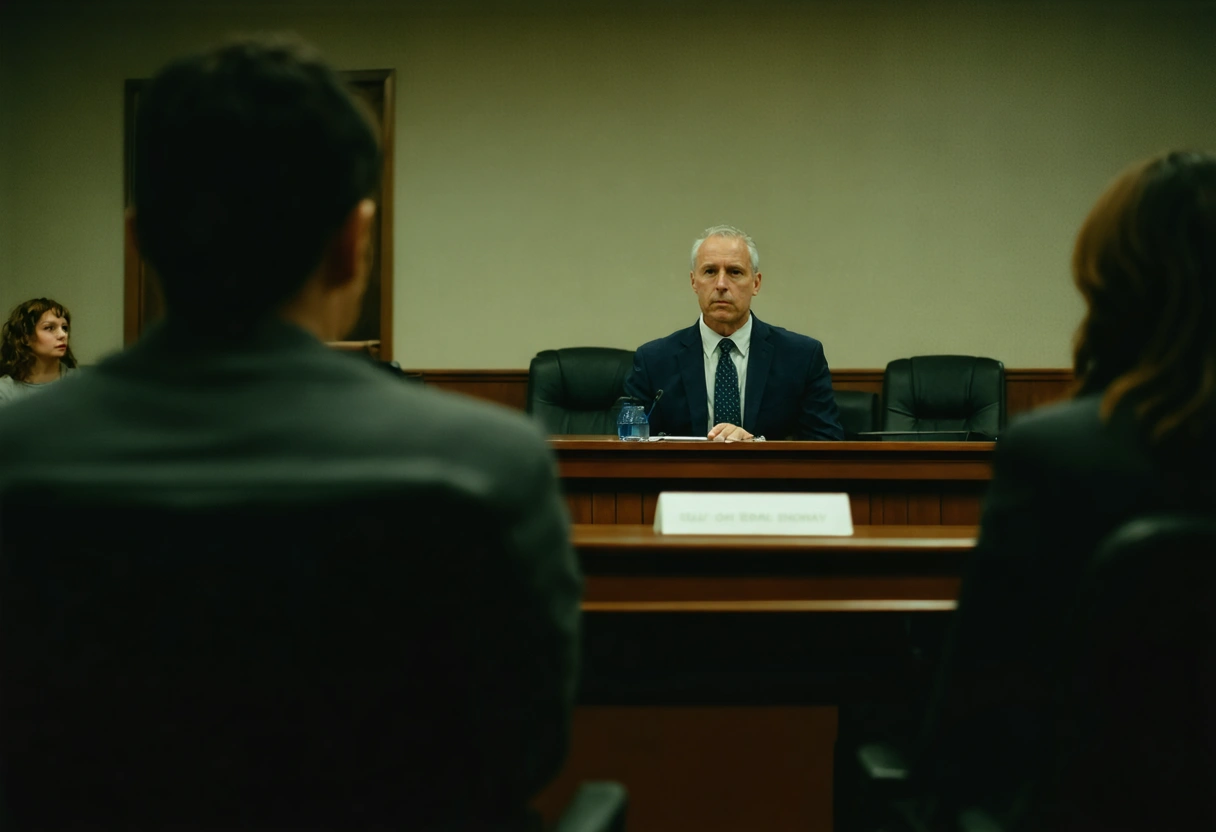
While many wrongful death cases are settled out of court, some may proceed to trial. Understanding the trial process can help families prepare for what lies ahead. The trial begins with the selection of a jury, followed by opening statements from both parties. The plaintiff’s attorney will present evidence and call witnesses to support the claim, followed by the defense’s presentation.
Throughout the trial, both sides will have the opportunity to cross-examine witnesses and present rebuttal evidence. The trial concludes with closing arguments, after which the jury deliberates and reaches a verdict. While the trial process can be lengthy and emotionally taxing, having a knowledgeable attorney by your side can ease the burden. To learn more about what to expect during a wrongful death trial, check out this detailed explanation.
The Long-Term Emotional Impact
The emotional impact of wrongful death can extend far beyond the initial shock and grief. Over time, family members may experience ongoing emotional and psychological effects. This could include prolonged grief disorder, depression, anxiety, and even post-traumatic stress disorder (PTSD). Recognizing and addressing these long-term impacts is crucial for healing.
Engaging with mental health professionals who specialize in trauma and grief can be beneficial. Cognitive-behavioral therapy (CBT) and other therapeutic approaches can help individuals process their emotions, develop coping strategies, and work towards healing. It’s essential to acknowledge that healing takes time, and seeking support is a sign of strength, not weakness. For more insights into the psychological effects of wrongful death, explore WebMD’s guide on grief and loss.

Supporting Children Affected by Wrongful Death
Children who lose a parent or sibling due to wrongful death face unique challenges. Their understanding of death and ability to process emotions differ from adults, making it essential to provide age-appropriate support. Open communication, reassurance, and stability are key elements in helping children cope with their loss.
Parents and guardians should encourage children to express their feelings and ask questions. Professional support, such as child therapists or counselors, can provide a safe space for children to explore their emotions. Additionally, engaging in activities that honor the deceased, such as creating memory books or planting a tree, can help children feel connected to their loved one. For further guidance on supporting grieving children, visit this resource for children’s grief support.
Creating a Legacy of Remembrance and Advocacy
In the aftermath of wrongful death, many families find solace in creating a legacy that honors their loved one. This can take many forms, from establishing scholarships or charitable foundations in their name to advocating for change in areas related to the cause of death.
Creating a legacy not only preserves the memory of the deceased but can also drive meaningful change and prevent future tragedies. Families who channel their grief into advocacy often find a renewed sense of purpose and healing. Whether through raising awareness, volunteering, or legislative efforts, these actions can turn a personal tragedy into a force for good in the community.
In conclusion, while the emotional impact of wrongful death is profound and lasting, families can find strength and healing through understanding, support, and justice. By taking timely legal action, seeking professional help, and creating a legacy of remembrance, families can navigate the challenging journey ahead. Ultimately, the memory of their loved one can inspire resilience and hope for a brighter future.