
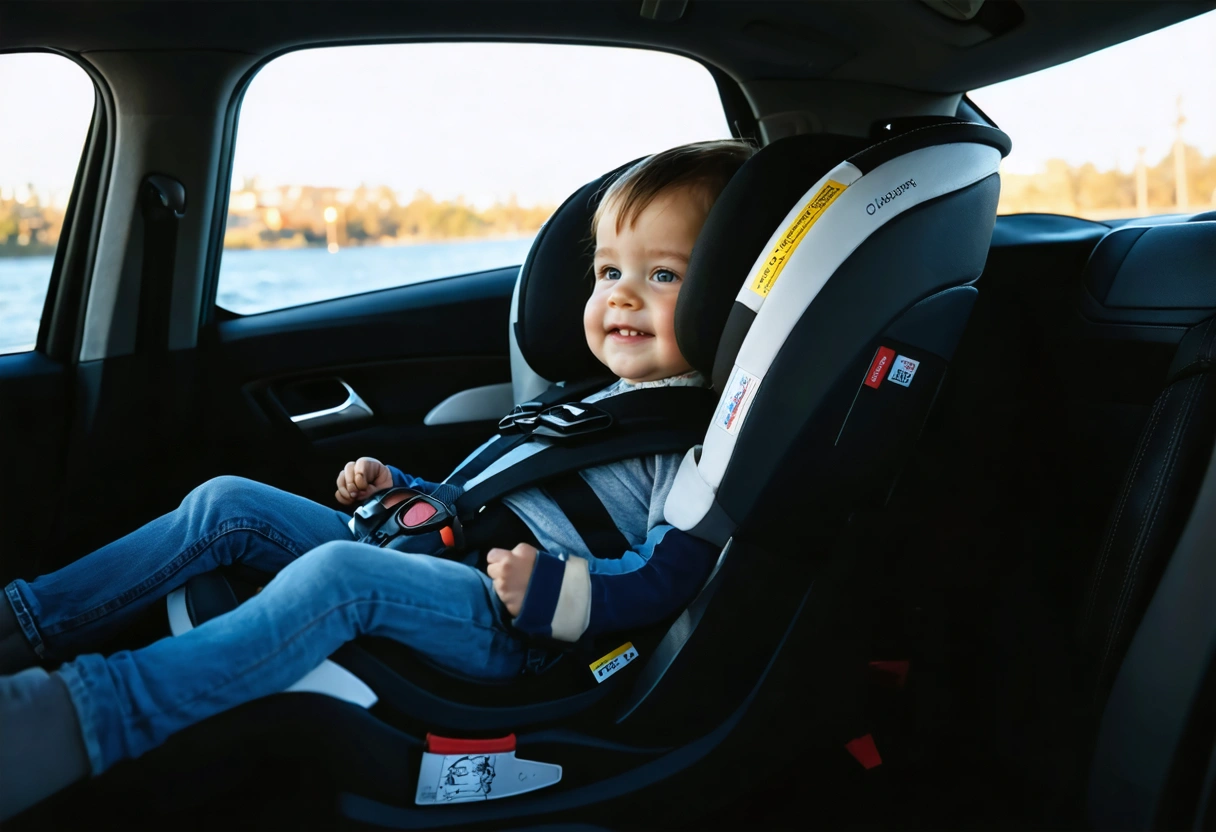
Every ride with a child in the vehicle depends on layers of protection working together: the right car seat, the right installation, the right harness fit, and the right seating position. Small mistakes can reduce that protection, even when parents and caregivers believe they are following the rules.
Child passenger safety can feel confusing because recommendations change as children grow, and car seat labels often include detailed limits for height, weight, age, and installation method. Understanding the most frequent errors is the first step toward safer everyday travel.
Why Proper Car Seat Use Matters at Every Stage
Car seats are designed to manage crash forces in ways that match a child’s size, bone development, and ability to sit correctly. A rear-facing infant, a forward-facing preschooler, a booster-age child, and an older child using the vehicle seat belt all need different types of protection because their bodies respond differently in a collision.
One of the biggest safety challenges is that a car seat can look secure while still being used incorrectly. A loose installation, an improperly positioned harness, or a premature move to the next seat stage may not be obvious during normal driving, but these issues can make a significant difference during a sudden stop or crash.
Following the seat’s limits instead of guessing
Each car seat has specific height and weight limits that determine how long a child can use it safely. These limits are more important than a child’s age alone because children grow at different rates and may outgrow one part of a seat before another.
Caregivers should check the labels on the seat and the instruction manual to confirm the correct mode of use. A convertible seat, for example, may have one set of limits for rear-facing use and another set for forward-facing use, and the harness rules may change depending on the mode.
Moving Children to the Next Seat Too Soon
One common mistake is advancing a child from rear-facing to forward-facing, from a harnessed seat to a booster, or from a booster to the adult seat belt before the child is truly ready. These transitions can feel like milestones, but from a safety perspective, delaying each move until the child reaches the seat’s maximum limits often provides better protection.

Rear-facing seats support the head, neck, and spine by spreading crash forces across the back of the seat. Because young children have proportionally large heads and developing necks, keeping them rear-facing as long as allowed by the car seat manufacturer is a key safety practice.
Why booster readiness depends on behavior and fit
A booster seat is only effective when a child can sit properly for the entire ride. This means the child must keep the lap belt low across the upper thighs, the shoulder belt across the center of the chest and shoulder, and the body upright without leaning, slouching, or placing the belt behind the back.
Children who are moved out of a harness too early may not have the maturity to maintain correct belt position, especially when they fall asleep or ride for longer distances. If the seat belt shifts onto the stomach or neck, the risk of injury can increase during a crash.
Loose Car Seat Installation
A car seat should not slide freely across the vehicle seat. After installation, it should move less than one inch from side to side or front to back when tested at the belt path. The belt path is the part of the car seat where the seat belt or lower anchor strap is routed, and it may be different for rear-facing and forward-facing use.
One mistake caregivers often make is checking for tightness at the top of the seat instead of at the belt path. The top of a rear-facing seat may have some natural movement, but the belt path should remain secure.
Using either the seat belt or lower anchors correctly
Most car seats can be installed with either the vehicle seat belt or the lower anchors, but not both at the same time unless both the car seat manual and the vehicle manual clearly allow it.
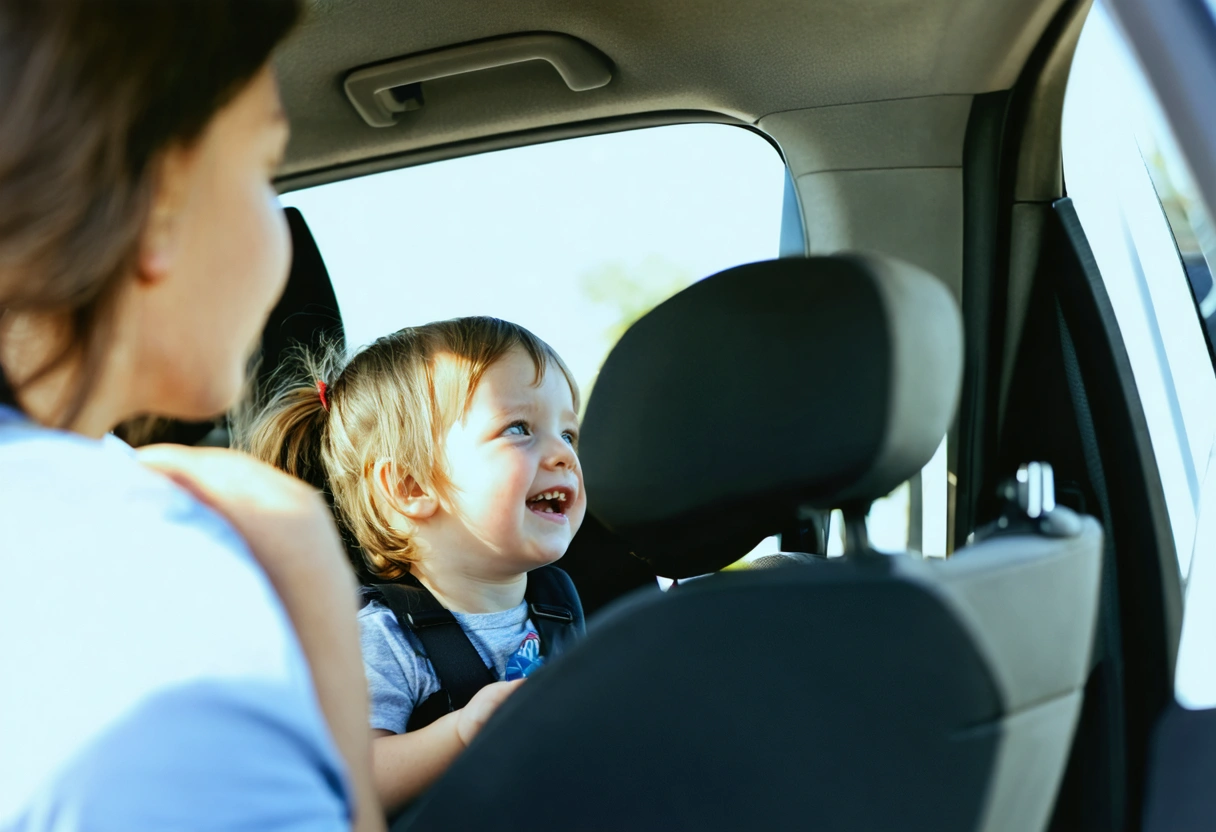
Lower anchors also have weight limits. Once the combined weight of the child and car seat exceeds the allowed limit, the seat usually needs to be installed with the vehicle seat belt instead.
Locking the seat belt when required
When a car seat is installed with a vehicle seat belt, the belt must be locked in a way that keeps the car seat tight before a crash occurs.
If the belt is not locked, the car seat may seem snug at first but loosen over time as the vehicle is driven. Caregivers should review both manuals to understand how their specific seat belt system works and should recheck the installation regularly.
Incorrect Harness Position and Harness Tightness
The harness is meant to hold the child securely in the car seat and spread crash forces over the strongest parts of the body. If the harness is too loose, twisted, or routed at the wrong height, the child may move too much during a crash or may not be supported as the seat was designed to provide protection.
A properly tightened harness should pass the pinch test. After buckling the child in and tightening the harness, try to pinch the harness webbing vertically at the child’s collarbone.
Rear-facing and forward-facing harness height
Harness slot position depends on the direction the child is facing. For rear-facing seats, the harness straps should usually come from at or below the child’s shoulders.
For forward-facing seats, the harness straps should usually come from at or above the child’s shoulders. This helps limit forward movement. Because some seats have different approved harness slots for different modes, caregivers should confirm the correct setting in the car seat manual.
Chest clip placement and twisted straps
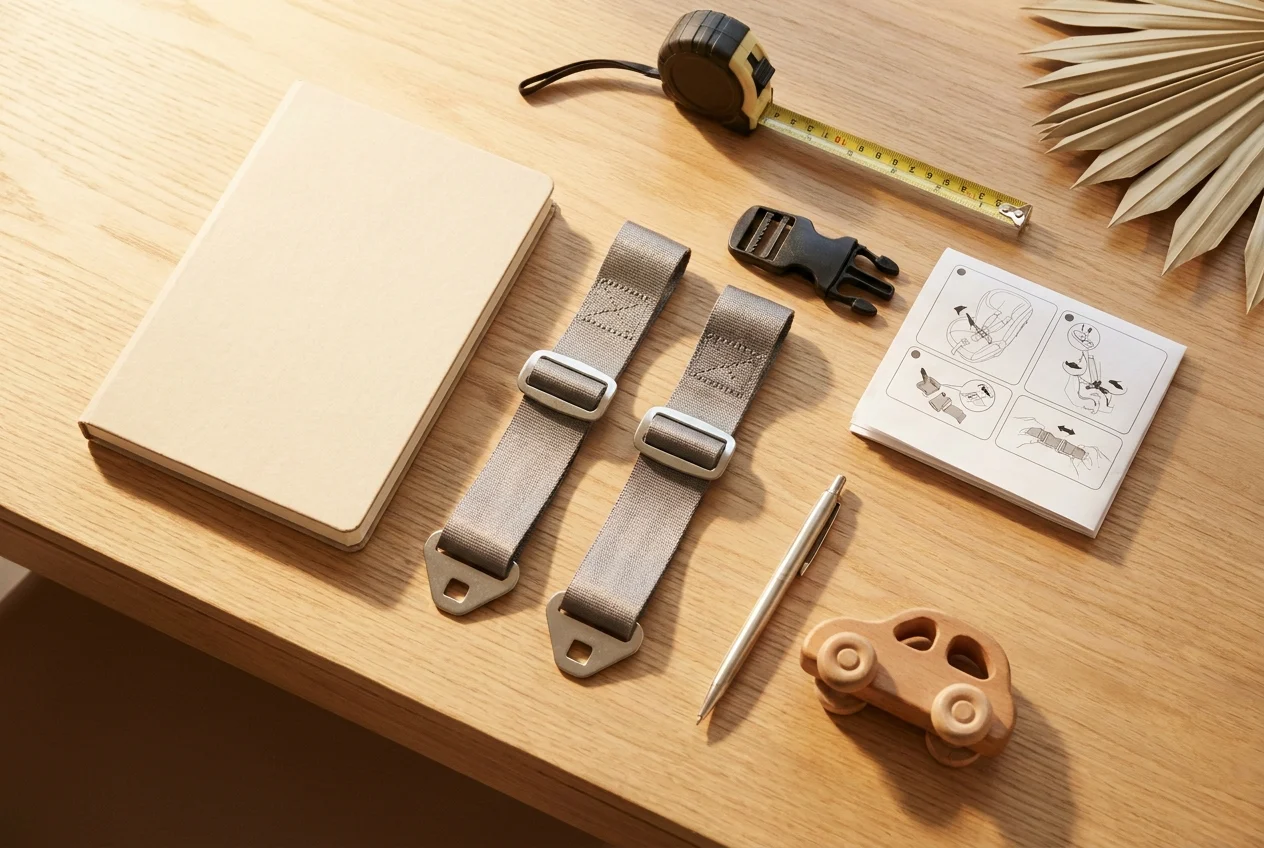
The chest clip should sit at armpit level, centered on the child’s chest. If it is too low, the harness straps may spread apart and fail to stay properly positioned on the shoulders.
Twisted harness straps are another common problem. A twist concentrates crash force over a smaller area and can make it harder to tighten the harness evenly.
Bulky Coats and Unsafe Add-On Products
Bulky winter coats, thick snowsuits, and padded outfits can create hidden slack in a harness. The harness may feel tight over the coat, but the padding can compress in a crash, leaving extra room for the child to move.
A safer approach is to dress the child in thin, warm layers, buckle and tighten the harness snugly, and then place a blanket or coat over the harness.
Why aftermarket accessories can be risky
Products such as strap covers, head positioners, body pillows, seat protectors, and harness pads may not be safe unless they came with the car seat or are specifically approved by the car seat manufacturer for that model.
A good rule is to use only the parts that came with the seat or replacement parts provided by the manufacturer. If an accessory did not come in the box, caregivers should check the manual or contact the manufacturer before using it.

Choosing the Wrong Seating Position in the Vehicle
The back seat is the safest place for children under 13. Front passenger airbags are designed for adult bodies and can seriously injure a child during deployment, especially a child in a rear-facing seat.
Within the back seat, the best seating position is the one where the car seat can be installed correctly and used consistently. Many caregivers assume the center seat is always best, and it often can be because it is farther from side impacts.
Fitting multiple car seats safely
Families with more than one child may need to arrange seats based on car seat size, vehicle seat shape, tether anchor locations, and access to buckles.
When installing multiple seats, each one should be checked independently. Install one seat tightly, then install the next, and finally remove or loosen neighboring seats if needed to confirm that each seat remains secure on its own.
Forgetting the Top Tether on Forward-Facing Seats
The top tether is one of the most important safety features for a forward-facing harnessed car seat. It connects the top of the car seat to a designated tether anchor in the vehicle and helps reduce how far the child’s head moves forward in a crash.
A common mistake is using the lower anchors but leaving the top tether unattached, or assuming the tether is optional. In many forward-facing installations, the tether should be used whenever a proper tether anchor is available.

Avoiding incorrect tether anchor points
Caregivers should only attach the tether to a designated tether anchor. Cargo hooks, headrest posts, seat adjustment bars, and other metal loops are not substitutes unless the vehicle manufacturer specifically identifies them as tether anchors.
Using the wrong anchor point can cause the tether to fail or change the way the car seat performs in a crash. If the anchor location is unclear, the vehicle manual is the best place to confirm the correct attachment point.
Using an Expired, Damaged, or Unknown-History Car Seat
Car seats have expiration dates because materials can weaken over time, safety standards change, and replacement parts may no longer be available. The expiration date may be printed onthe seat shell, molded into the plastic, or listed on a label with the manufacture date.
A car seat should also be replaced if it has been involved in a crash that meets the manufacturer’s replacement criteria. Seats with cracks, missing labels, missing parts, frayed harness webbing, or recalled components should not be used until the issue has been properly resolved.
Be cautious with secondhand seats
A used car seat should only be considered if its full history is known. Caregivers should confirm that the seat has never been in a crash, is not expired, has all required parts, has readable labels, and includes the instruction manual or access to the correct manual.
If there is any uncertainty about the seat’s history or condition, it is safer to choose another seat. A car seat can look clean and intact while still having hidden damage or missing safety information.