

Everyday driving can feel routine, but road safety depends on far more than attentive steering and obeying traffic laws. A vehicle’s condition directly affects how quickly it stops, how well it handles, how clearly the driver can see, and how reliably it responds when something unexpected happens.
Vehicle maintenance is not just a way to prevent costly repairs. It is a practical safety habit that helps reduce the risk of breakdowns, collisions, and dangerous roadside emergencies. By understanding how routine care supports safer driving, vehicle owners can make better decisions before small issues become serious hazards.
How Routine Maintenance Supports Safer Driving
A well-maintained vehicle is more predictable on the road. When tires are properly inflated, brakes are responsive, lights are working, and fluids are at the correct levels, drivers have greater control in normal traffic as well as in sudden emergency situations.
Safety problems often develop gradually, which makes them easy to overlook. A brake pedal that feels slightly softer, a tire that loses air slowly, or windshield wipers that leave streaks may not seem urgent at first.
Brakes and Stopping Distance
The braking system is one of the most important safety systems in any vehicle. Worn brake pads, low brake fluid, or damaged rotors can increase stopping distance and make it harder to avoid a collision.
Regular brake inspections help identify wear before it becomes dangerous. Drivers should pay attention to warning signs such as squeaking, grinding, vibration, a burning smell, or a brake warning light.
Tires, Traction, and Road Control
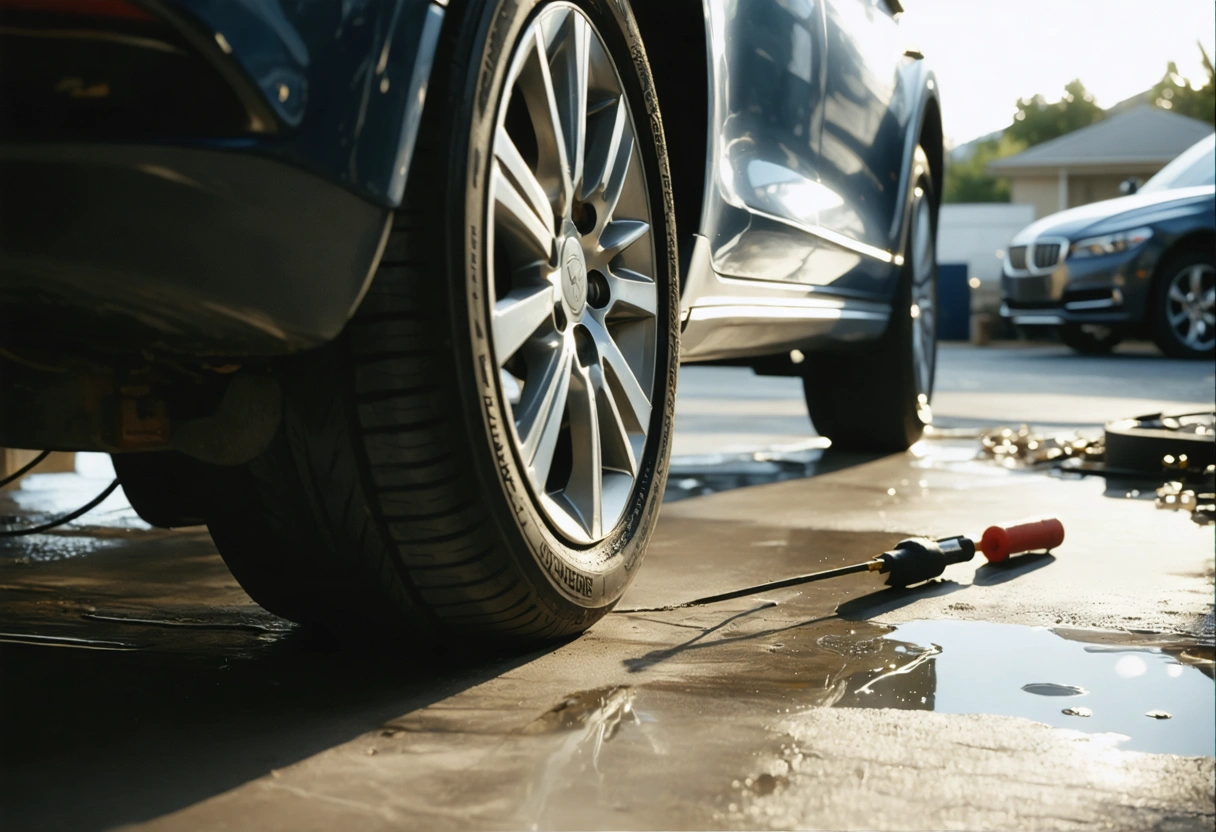
Tires are the only part of the vehicle that touches the road, which makes their condition essential for safe handling. Proper tire pressure, adequate tread depth, and even wear all contribute to traction, steering response, and braking performance.
Drivers should check tire pressure regularly and inspect tires for cracks, bulges, punctures, or uneven tread wear. Seasonal temperature changes can also affect tire pressure, so tire checks are especially important during weather transitions.
Small Problems That Can Become Road Safety Risks
Many vehicle issues begin as minor inconveniences, but they can quickly become safety concerns if ignored. A dim headlight may reduce visibility at night, a weak battery may leave a driver stranded, and low engine coolant may lead to overheating in traffic.
Everyday road safety depends on the combined function of many vehicle systems. Lights, mirrors, fluids, belts, hoses, suspension parts, and windshield wipers all play a role in keeping the driver aware, visible, and in control.
Visibility and Driver Awareness
Clear visibility is essential for safe driving in all conditions. Windshield wipers, washer fluid, headlights, brake lights, turn signals, and mirrors help drivers see and be seen by others.
Replacing worn wiper blades, cleaning lenses, and checking exterior lights are simple maintenance tasks that can make a noticeable difference. These checks are especially important before long drives or during seasons when storms and reduced daylight are common.
Fluids and Mechanical Reliability
Vehicle fluids help key systems operate safely and efficiently. Engine oil reduces friction, coolant helps regulate temperature, brake fluid supports stopping power, transmission fluid assists smooth shifting, and power steering fluid helps with control.
Checking fluid levels and following the recommended service schedule can help drivers avoid preventable breakdowns. A vehicle that runs reliably is less likely to stall in traffic, overheat on the highway, or create a roadside emergency that puts the driver and passengers at risk.
The Role of Preventive Maintenance in Avoiding Breakdowns
Breakdowns are not only inconvenient, they can also create dangerous situations. A vehicle that stalls in an intersection, loses power on a highway, or overheats in stop and go traffic can put drivers, passengers, and nearby road users at risk.
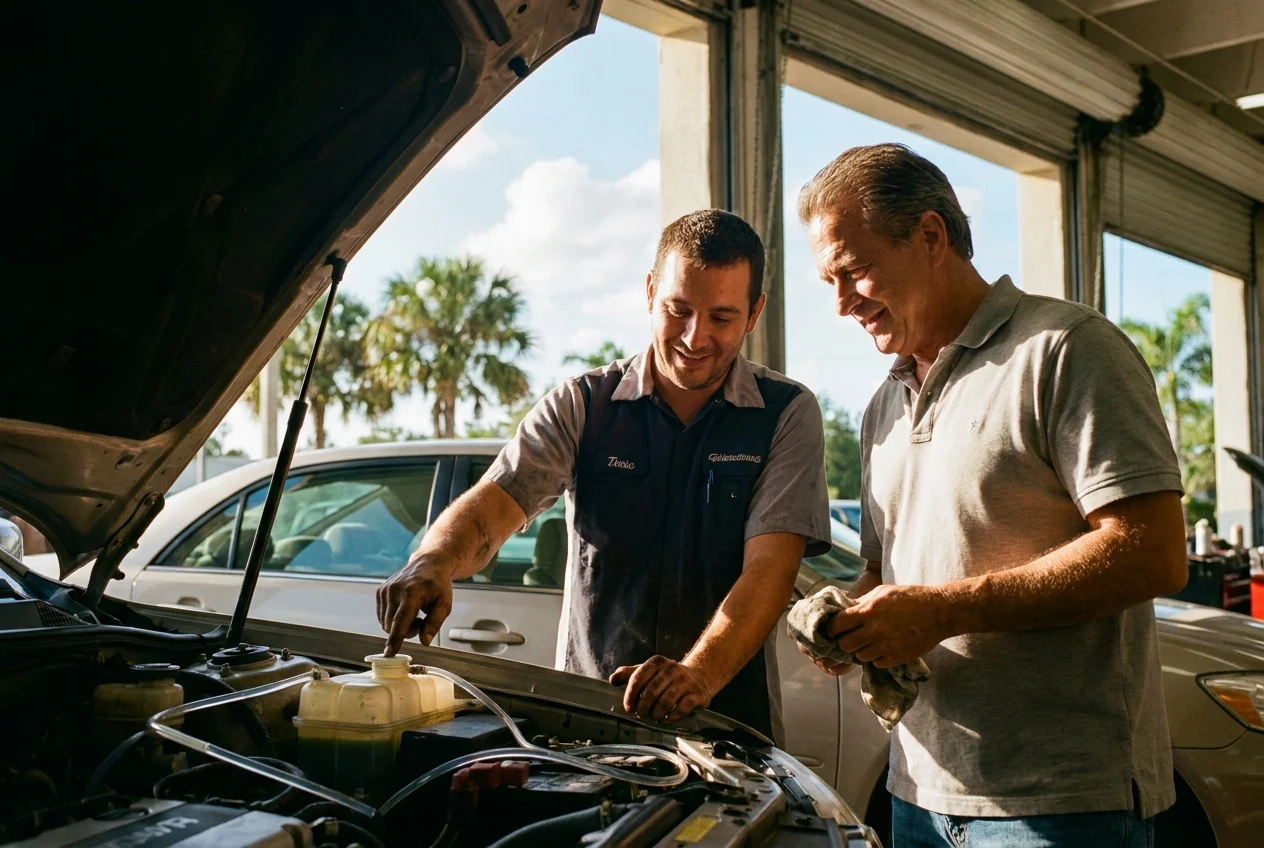
Many breakdowns are linked to parts that wear out gradually. Batteries weaken, belts crack, hoses become brittle, and filters clog over time. Because these problems may not always affect daily driving right away, they can go unnoticed until the vehicle is under stress, such as during extreme heat, cold weather, heavy traffic, or a long trip.
Battery Health and Electrical Dependability
A healthy battery is essential for starting the vehicle and powering electrical systems. When a battery is weak, the vehicle may be slow to start or may not start at all.
Drivers should watch for signs such as dim interior lights, clicking sounds when starting, slow engine cranking, or corrosion around battery terminals. Battery checks are especially important before winter and summer, since extreme temperatures can reduce battery performance.
Belts, Hoses, and Cooling System Safety
Belts and hoses help operate important systems such as engine cooling, charging, air conditioning, and power steering. A cracked belt or leaking hose may seem like a small issue, but failure can cause overheating, loss of steering assistance, or engine damage.
Routine inspections can identify worn belts, soft hoses, leaks, and loose connections. Drivers should also pay attention to rising temperature gauges, coolant smells, steam from under the hood, or warning lights.
Maintenance and Safe Driving in Different Weather Conditions
Weather can quickly reveal weaknesses in a poorly maintained vehicle. Rain, snow, ice, fog, heat, and freezing temperatures all place added demands on tires, brakes, visibility systems, batteries, and fluids.
Preparing a vehicle for seasonal driving is an important part of road safety. This does not always require major repairs. Often, it involves checking tire condition, testing the battery, replacing worn wipers, confirming fluid levels, and making sure lights are bright and clean.
Rain, Wet Roads, and Hydroplaning Risks
Wet roads reduce traction and increase stopping distance. Tires with low tread depth are more likely to hydroplane because they cannot move water away from the contact patch effectively.

Good tire tread, correct tire pressure, functional brakes, and clear wipers all help improve safety in rainy conditions. Drivers should also make sure defrosters work properly, since fogged windows can reduce visibility during damp weather.
Cold Weather, Snow, and Ice Preparation
Cold weather affects vehicle performance in several ways. Tire pressure drops as temperatures fall, batteries lose strength, engine oil thickens, and windshield washer fluid can freeze if it is not rated for low temperatures.
Before winter conditions arrive, drivers should check tire pressure, tread depth, antifreeze levels, wiper blades, heater performance, defrosters, and exterior lights. In areas with snow or ice, winter tires may provide better traction than all season tires.
Hot Weather and Overheating Concerns
High temperatures can strain the engine, cooling system, tires, and battery. Underinflated tires can overheat more easily, increasing the risk of tire failure. Low coolant or a failing radiator can cause the engine temperature to rise, particularly during long drives, towing, or traffic congestion.
During hot weather, drivers should check coolant levels, inspect hoses, confirm the radiator fan is working, and maintain proper tire pressure. It is also important to respond quickly to temperature warning lights or gauges.
Warning Signs Drivers Should Not Ignore
Vehicles often provide early warning signs before a major problem occurs. Some signs are obvious, such as smoke, loud grinding, or a dashboard warning light.
Ignoring warning signs can allow a small repair to become a larger failure. More importantly, it can reduce the driver’s ability to stop, steer, accelerate, or maintain visibility.

Dashboard Warning Lights
Dashboard warning lights are designed to alert drivers when a system needs attention. A brake warning light, oil pressure light, temperature warning, battery light, or tire pressure warning can indicate a condition that may affect safety or reliability.
Drivers should understand the meaning of the warning lights in their owner’s manual. If a red warning light appears, especially one related to brakes, oil pressure, or engine temperature, it may be unsafe to continue driving.
Unusual Sounds, Smells, and Vibrations
Unusual noises can signal wear or damage. Grinding brakes, squealing belts, knocking from the engine, humming wheel bearings, or clunking suspension parts should not be dismissed.
Smells can also point to safety issues. A burning smell may come from overheated brakes, leaking oil, electrical problems, or a slipping belt. A sweet smell may indicate a coolant leak, while a strong fuel odor can signal a potentially dangerous fuel system issue.
Following the Manufacturer’s Service Schedule
Every vehicle has a recommended maintenance schedule that outlines when key services should be performed. This schedule is based on mileage, time, operating conditions, and component wear.
Common scheduled services include oil changes, tire rotations, brake inspections, fluid replacement, filter changes, spark plug replacement, and inspections of belts, hoses, suspension, and steering components.
Normal Versus Severe Driving Conditions
Many drivers assume their vehicle is used under normal conditions, but everyday driving can often fall into the severe service category. Frequent short trips, heavy traffic, extreme temperatures, dusty roads, towing, mountain driving, and long periods of idling can all increase wear on vehicle systems.
When a vehicle is used under more demanding conditions, maintenance may be needed more often. For example, engine oil may degrade faster in stop and go traffic, brakes may wear more quickly in hilly areas, and air filters may clog sooner on dusty roads.
Keeping Maintenance Records
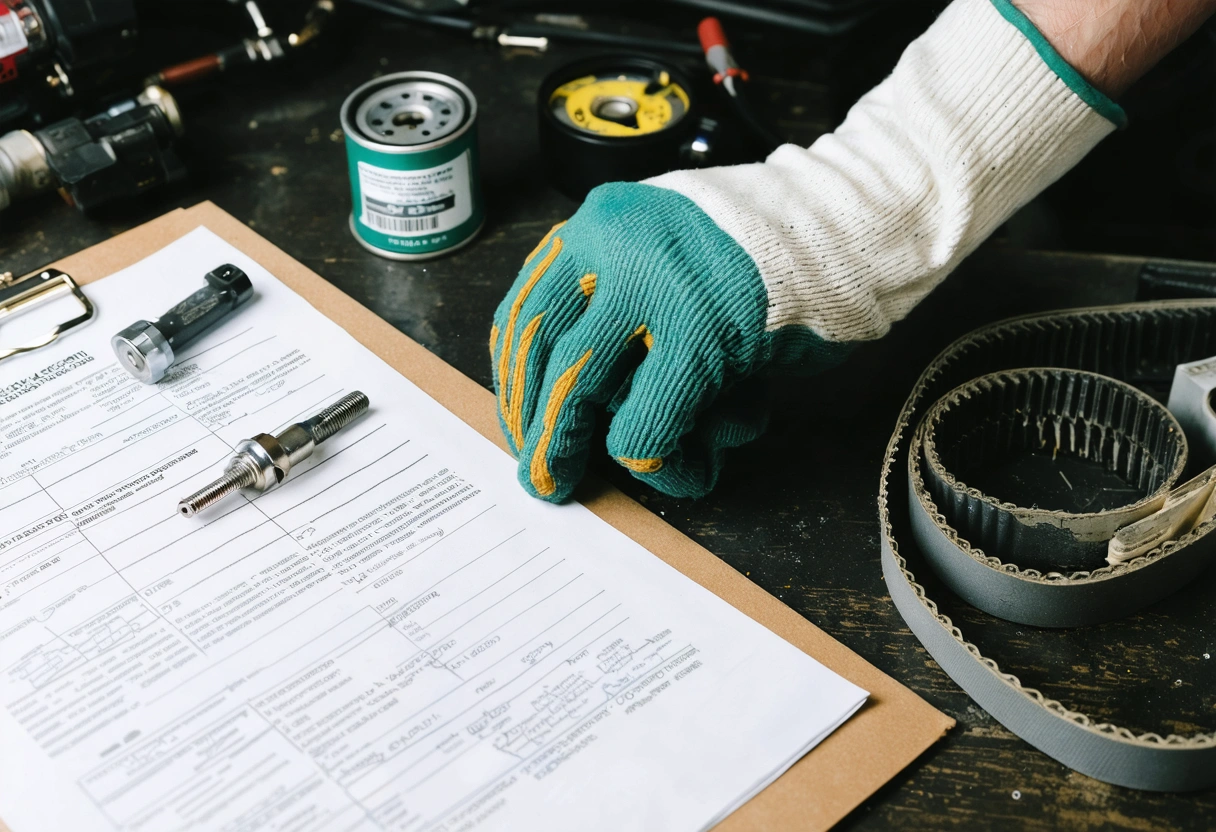
Keeping maintenance records helps drivers track what has been serviced and what may be due next. Records can include oil changes, brake work, tire rotations, battery replacements, fluid services, inspections, and repair receipts.
Maintenance records are also useful when diagnosing recurring problems. If a vibration, leak, warning light, or uneven tire wear returns after service, past records can help a technician identify patterns more quickly.
Simple Maintenance Checks Drivers Can Do Regularly
Not every safety check requires advanced mechanical knowledge. Many basic inspections can be done by drivers in a few minutes, especially before commuting, road trips, or seasonal weather changes.
Quick Walkaround Inspection
A quick walkaround can reveal low tires, broken lights, cracked lenses, leaking fluids, or objects stuck in the tread. Drivers can also check that mirrors are secure, license plates are visible, and windows are clean.
Monthly Safety Checks
At least once a month, drivers should check tire pressure, inspect tread depth, test headlights and signals, look at fluid levels where safely accessible, and examine wiper blades.
These routine checks do not replace professional service, but they help drivers stay aware of the vehicle’s condition between appointments. Early awareness is one of the most effective ways to prevent minor issues from becoming safety risks.